

























































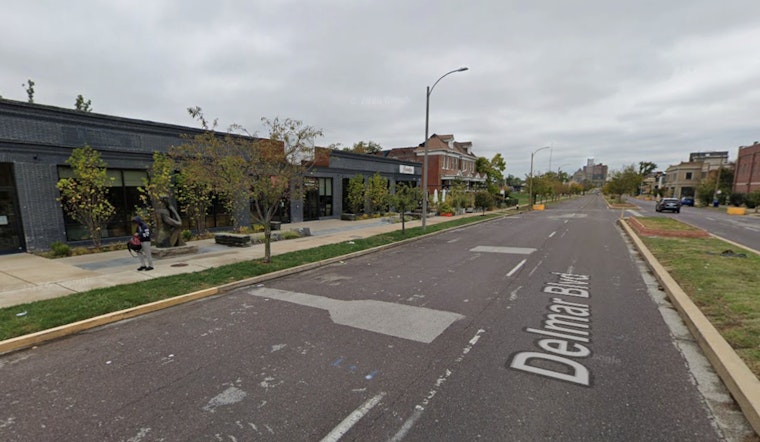
St. Louis coffee roastery and Mexican eatery Brew Tulum has come up empty in its lead-contamination lawsuit against its former landlords, closing the book on a bitter dispute that started after the owners said unsafe conditions forced them to shut their Central West End shop. With Monday’s ruling, the couple leaves court without the damages they had chased through years of testing, cleanup arguments and legal sparring. Around the Delmar Maker District, the case has doubled as a cautionary tale about how landlord handoffs and remediation get handled in aging downtown buildings.
As reported by St. Louis Post-Dispatch, a judge sided with Bridge Delmar LLC and Park Property Management, ending the case Brew Tulum’s owners brought against their former landlords. According to the Post-Dispatch, the lawsuit grew out of the cafe’s 2023 shutdown and the owners’ claim that lead dust inside the leased space made it an unsafe place to work. The outlet’s report is the first local account to spell out the ruling and what it immediately means for both sides.
How the contamination came to light
The dispute started at home before it landed in court. The owners say a routine pediatric blood test for their young son showed elevated lead levels, which pushed them to test the restaurant space itself. According to St. Louis Public Radio, an environmental consultant’s samples found dust-lead concentrations in certain spots that topped federal EPA hazard thresholds. Those test results, paired with the family’s health worries, became the backbone of Brew Tulum’s argument that the space posed risks to employees and customers.
Landlords disputed the findings
The property owners have said they hired a Missouri-licensed lead risk assessor who reported no hazards tied to the building itself, and that cleanup work was arranged once concerns about exposure surfaced. Reporting first published by the Riverfront Times and republished by Sauce Magazine notes that the landlords pointed to some tests that suggested other possible sources of lead and emphasized that new tenants later moved into the unit. That clash over how the testing was done and whether remediation was enough became a central fault line at trial.
Legal fallout and the claims
The lawsuit bundled together several theories, including negligence, breach of contract and related claims tied to the alleged contamination. Defense attorneys countered that many of those theories failed as a matter of law. St. Louis Public Radio previously quoted one defense lawyer who labeled some of the claims “borderline frivolous,” and legal observers note that courts often insist on clear causal links and regulatory findings in contamination fights. With the judge now ruling for the landlords, tenants bringing similar cases may find the bar higher unless they have firm, regulator-backed determinations that a space is hazardous.
Why it matters for St. Louis
Lead exposure remains a stubborn public-health problem in St. Louis, where officials continue to wrestle with how to pay for and coordinate cleanup in older buildings. Reporting from St. Louis Magazine has highlighted gaps in the city’s remediation fund and the broader tug-of-war over who should be on the hook for abatement costs. Local restaurateurs and landlords watching Brew Tulum’s loss say this ruling is likely to shape how they negotiate future tenant turnovers, renovations and liability in pre-1978 commercial spaces.
After shuttering the Delmar location in 2023, the couple behind Brew Tulum pulled back on expansion plans and shifted to pop-ups and wholesale accounts while the lawsuit wound its way through court, a pivot detailed in earlier coverage by Sauce Magazine and the Riverfront Times. The Post-Dispatch report on Monday’s decision does not say whether the owners plan to appeal, so for now the ruling closes a high-profile chapter in a fight that has thrown a spotlight on the risks, costs and finger-pointing that come with renovating and leasing older commercial spaces in St. Louis.





