

























































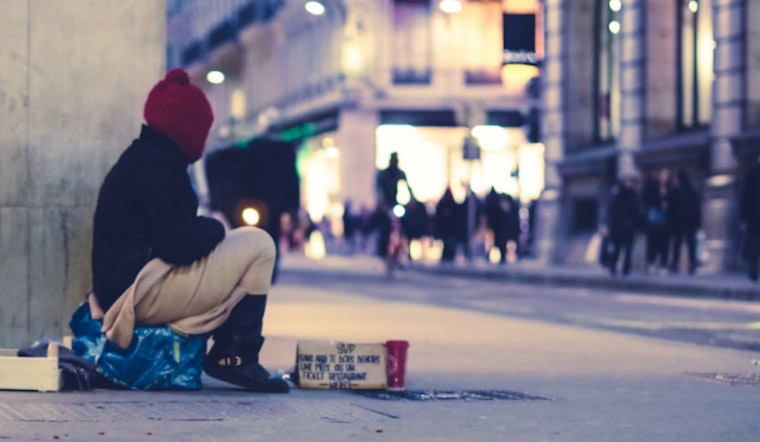
California’s biggest city mayors packed into the State Capitol in Sacramento on Wednesday, March 25, 2026, with a blunt message for lawmakers: do not gut the Homeless Housing, Assistance and Prevention (HHAP) program. Led by San Diego Mayor Todd Gloria, the delegation warned that proposed budget changes could put roughly 41,000 Californians at risk of returning to homelessness and trigger shelter closures and service cuts across the state. The mayors argued that the state’s one-time grants need to be replaced with stable, multi-year funding so cities can keep outreach teams, shelters and housing supports running instead of bracing for an annual funding cliff.
.@CABigCityMayors are in Sacramento today with a clear message: Cuts to the State’s Homeless, Housing Assistance and Prevention (HHAP) program would put 41,000 Californians at risk of returning to homelessness. https://x.com/i/status/2036843192818270484
— Todd Gloria (@mayortoddgloria) March 25, 2026
Mayors Warn Cuts Would Close Beds And Shrink Outreach
City leaders framed the stakes in concrete terms: fewer outreach workers on the street, shuttered shelters and scaled-back permanent housing work if HHAP dollars drop. San Diego officials, for example, have already flagged what a reduced HHAP allocation could look like. As Axios San Diego reported, the city has warned that at least one single-adult and senior shelter, with about 130 beds, and two youth shelters, with 67 beds, could be forced to close. Gloria echoed that concern in a post on X, urging state leaders to “protect HHAP funding” and, in his words, “protect lives.”
Budget Math And New Strings Attached
Behind the political fight is some stark budget math and a new set of conditions. State budget documents and a briefing from the Legislative Analyst’s Office show the Legislature has penciled in roughly $500 million for a future HHAP round, which is about half the program’s recent peak, and tied those dollars to stricter accountability and housing-policy requirements. Grantees now have to meet new reporting and housing-element conditions before they can receive their full allocations. CalMatters reported those added strings could slow funding for some jurisdictions that are still working to satisfy the new requirements.
Mayors Point To Results They Say Are At Risk
The mayors counter that HHAP is one of the few state programs paying for the unglamorous but essential work that moves people off the street. They highlighted shelters, outreach teams and rental assistance funded by HHAP that local officials say helped reduce homelessness in recent counts. In a press release, the Department of Housing and Community Development detailed Round 6 awards to 23 regions and described how HHAP dollars have supported shelters, interim housing and permanent housing subsidies across California. As HCD explains, the program has become a core source for operations and services behind many local success stories, and local coverage has tracked those investments in places like San Diego, which recently received a $25.8 million boost for homeless support services.
Big City Mayors Push For Stable, Multi-Year Funding
The Big City Mayors coalition has formally urged state leaders to restore HHAP to $1 billion and shift from one-off allocations to multi-year commitments so cities can plan beyond a single budget cycle. They argue that without that stability, local governments are left scrambling to renew contracts and keep staff in place. As outlined by the California State Association of Counties, officials have warned that federal and policy changes, combined with reduced HHAP support, could leave more than 41,000 people at risk of falling back into homelessness if funding is pared back. The mayors say they are on board with accountability but not if it comes at the cost of gutting shelter and outreach capacity on the street.
What Happens Next In The Capitol
Lawmakers now have until the June budget deadline to hash out both the final funding level and the accountability language that will govern any new HHAP disbursement. The Legislative Analyst’s Office and enacted budget language indicate the roughly $500 million figure depends on follow-up legislation that will spell out performance requirements. Mayors say they plan to keep making the case at the Capitol for a durable, predictable funding stream. Local leaders argue that the difference between another one-year grant and a firm multi-year commitment will determine whether outreach teams, navigation centers and shelters can keep their doors open past the next fiscal cycle.



