

























































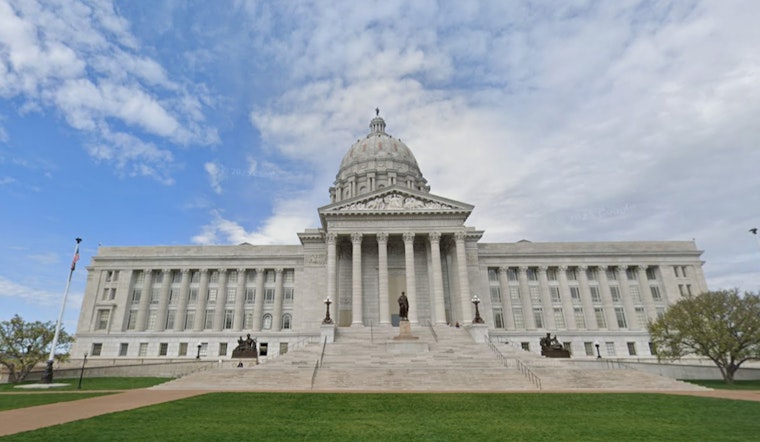
A proposal to clamp down on automatically recurring political donations in Missouri is picking up speed at the Capitol, with a Senate committee giving it a friendly reception and clearing it for full debate. Supporters say the bill would force campaigns and affiliated PACs to get real, affirmative permission before quietly turning a one-time gift into a steady stream of charges.
According to Missouri Independent, HB 1788 drew favorable comments from the Senate Local Government, Elections and Pensions Committee and is being lined up for floor debate. Sponsor Rep. Jim Murphy has framed the measure as a consumer-protection fix prompted by investigative reporting into how online campaign solicitations are structured.
What HB 1788 Would Change
HB 1788 would bar committees from seeking automatically recurring contributions unless donors give “affirmative consent.” That means a donor’s failure to uncheck a pre-checked box would not count as permission. The bill would also require solicitations to clearly name the committee or candidate that benefits, spell out any cut taken by a payment processor, issue receipts that show how often a card will be charged and how to cancel, and require immediate refunds of any recurring charges that were not properly authorized, according to the bill text on house.mo.gov.
How the Controversy Started
The push for tighter rules followed reporting that uncovered dozens of donors, including out-of-state contributors and some elderly supporters, who were signed up for ongoing charges after what appeared to be one-time gifts. One 92-year-old Nebraska veteran ended up billed $30 a week 35 times, for a total of $1,050, Missouri Independent reported. Investigations also pointed to a committee called BILL PAC, which used similar tactics to back candidates associated with former state Sen. Bill Eigel.
Eigel Defends the Strategy
Eigel has pushed back on the criticism, arguing that recurring small-dollar contributions are a way to build a wide grassroots base and reduce reliance on big checks. He told reporters that his fundraising methods were being targeted for political reasons, St. Louis Public Radio reported. Opponents counter that some solicitations are opaque at best, and earlier coverage documented that President Trump’s campaign objected to the use of his name in connection with the effort and sent a cease-and-desist letter, as KCUR noted.
Legal and Enforcement Details
Under the perfected version of HCS HB 1788, the Missouri Ethics Commission would be allowed to impose civil penalties of up to 100 times the amount of a contribution that violates the rules, and committees that receive unauthorized recurring donations would have to return them right away, according to the bill summary on house.mo.gov. The measure would also automatically cut off recurring contributions after the election in which the candidate or ballot measure appears, with a narrow exception for candidates who move from a primary into the general election.
Next Steps and What Is at Stake
Legislative tracking shows the House approved HB 1788 on a 134–16 vote in February, and the bill is now pending in the Senate’s Local Government, Elections and Pensions Committee, LegiScan shows. What happens next in committee, and on the Senate floor, will determine whether the proposal becomes law and whether it reins in a fundraising approach that has provided some Missouri campaigns with a steady stream of small-dollar money from outside the state.



