

























































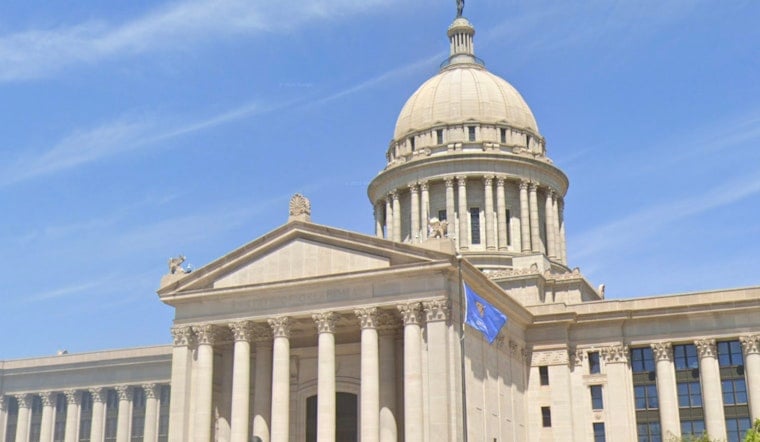
House Republicans are taking another swing at reshaping Oklahoma’s Tobacco Settlement Endowment Trust, moving a trio of bills that would change who runs the multibillion‑dollar fund and reroute more of its annual earnings into college scholarships and an education‑reform fund. The push comes on the heels of a high‑profile Oklahoma Supreme Court decision earlier this year that blocked a previous attempt to tweak how the trust’s board can be removed. Supporters say the new package would tighten up administration and pour extra cash into scholarships. Critics say it would gut long‑standing public‑health efforts built with tobacco money.
Rep. Trey Caldwell filed HJR 1077 and HB 4003, while Rep. Erick Harris authored HJR 1050, which zeroes in on board terms and removal rules. As reported by Oklahoma Voice, the House Rules Committee advanced the package this week, making the measures eligible for a full House debate. The committee's official roll shows HJR 1050 leaving Rules with an 8–1 recommendation, according to the House committee record.
What the measures would change
HJR 1077 is the centerpiece. It would send a constitutional amendment to voters that dissolves TSET’s Board of Directors and hands the Board of Investors the job of managing, investing and administering trust assets. Under the proposal, the Board of Investors would have to keep 20% of yearly earnings as principal, send the amount the Oklahoma State Regents say is needed to cover Oklahoma’s Promise (OHLAP) scholarships, and then deposit whatever is left into the Education Reform Revolving Fund. According to the House fiscal analysis, that restructuring could trim roughly $4–6 million a year in administrative costs.
Supporters and critics
Backers say those formulas would move more money into scholarships and classroom priorities while cutting what they see as excess bureaucracy. Public‑health and cancer‑advocacy groups fire back that shifting TSET earnings would weaken the prevention, cessation and research programs that have been built over decades. The American Cancer Society Cancer Action Network urged lawmakers to kill the package, arguing the measures "would significantly alter and undermine" the voter‑approved trust and "have a devastating impact" on public health in a March 5 statement. TSET spokesperson Thomas Larson has publicly defended the agency’s track record and its role in funding community grants, cancer research and rural health access in recent local reporting.
Legal stakes
The new proposals walk right back into the constitutional minefield the state’s high court addressed earlier this year. In a Jan. 13, 2026 opinion, the Oklahoma Supreme Court struck down last session’s HB 2783, a law that would have allowed appointing authorities to remove TSET directors at will, finding that it conflicted with the amendment that created the trust. The court warned that "HB 2783 doesn't clarify TSET, it subverts it," a line that will likely echo in any future lawsuits if lawmakers move ahead with governance changes. The decision and its reasoning are laid out in the court opinion and contemporaneous local coverage.
What’s next
The measures now wait in line for a House floor vote. If a constitutional resolution like HJR 1077 makes it through the Legislature and voters sign off at the ballot box, lawmakers could follow with companion statutes and budget changes. HJR 1050 would shorten director terms from seven years to four and would clearly allow removal by the appointing authority, as shown in the resolution text. HB 4003 is filed as a companion education bill tied to the broader package.
Why it matters locally
TSET holds and invests Oklahoma’s share of the national tobacco settlement and has grown into a major public endowment. State reporting and local coverage put the fund in the roughly $1.8–$2 billion range, with annual program spending of about $75–80 million. Because voters created the trust through a constitutional amendment, any plan to revamp its governance or redirect its earnings is likely to be tested both at the polls and in court, and it has already drawn intense resistance from public‑health advocates who warn of long‑term consequences for prevention and research programs statewide.





