

























































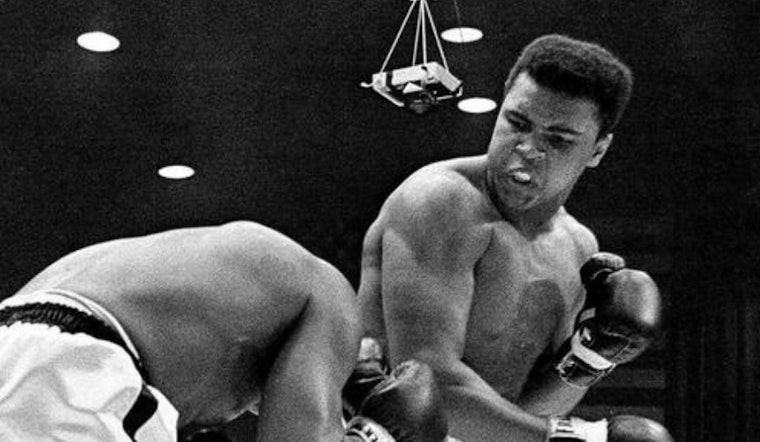
The fight over the future of professional boxing just moved from the ring to the House floor.
On Wednesday, the U.S. House of Representatives approved the Muhammad Ali American Boxing Revival Act, a sweeping rewrite of federal boxing rules that would let private "unified boxing organizations" handle promotion, rankings, and title belts under one roof. Backers say it is long overdue modernization for fighter safety and pay. Detractors say it hands the sport’s keys to a few big promoters and tells everyone else to live with it.
ClickOnDetroit reported that the measure cleared the House with a majority vote. The bill appears in Congress as H.R. 4624, and the full text is posted on Congress.gov, which confirms that it would amend the Professional Boxing Safety Act of 1996 to create a pathway for private Unified Boxing Organizations, or UBOs.
What the Bill Would Change
H.R. 4624 spells out ground rules for any fights held under the UBO model and raises baseline protections for all professional bouts, not just those under the new structure. According to the bill text on Congress.gov, the legislation would:
- Require health insurance that covers at least $25,000 for injuries suffered in a match
- Set a minimum purse of $150 per round
- Mandate expanded medical support at UBO events, including multiple ambulances and at least three licensed physicians on site
On paper, that all reads like a clear win for fighters at the lower end of the card, who often take the same punches as headliners for a fraction of the money and support.
Backers and Critics
Supporters include investors and the new Zuffa/TKO boxing venture led by UFC CEO Dana White, who see the bill as a way to pull more capital into boxing while baking in standardized care and predictable pay for rising talent. Those arguments have been spotlighted in industry coverage such as BoxingScene and other trade reporting.
Michigan Rep. Haley Stevens, a cosponsor who pushed for an amendment targeting coercive contracts, framed the House vote as a win for workers in gloves. "The House took an important step to protect professional boxers," she said in a statement quoted by ClickOnDetroit.
On the other side of the ring, opponents include some longtime promoters, multiple boxing commissions, and a number of fighters who see a different kind of punch coming. They argue that letting promoters control rankings and belts under the same corporate umbrella invites conflicts of interest, weakens boxers’ leverage in negotiations, and risks sliding the sport toward a de facto monopoly. Those concerns are laid out in reaction pieces and analysis on BoxingScene and similar outlets.
Next Steps and What to Watch
Before reaching the floor, the bill went through the House Education and Workforce Committee, which advanced H.R. 4624 by a 30–4 recorded vote and placed it on the Union Calendar, according to committee materials and the bill record on Congress.gov. That procedural move cleared the way for the full House to take it up.
If the House vote described by ClickOnDetroit stands as reported, the measure now heads across the Capitol to the Senate. As of the latest public posting, there is no recorded Senate action on the bill’s docket at Congress.gov.
Legal Fights Waiting in the Wings
Legal analysts and boxing insiders say the biggest question is structural, not cosmetic. The original Ali reforms were built to keep promoters at arm’s length from sanctioning and ranking bodies, on the theory that the person cutting the checks should not also be the one deciding who is ranked and who holds the belt. Critics now worry that this new bill partially walks back those guardrails.
Industry coverage and legal commentary suggest that antitrust concerns and potential conflicts of interest could make the Senate debate far more combative than a routine sports bill. Those issues have already been flagged in trade reporting, including analysis on BoxingScene, and could draw extra scrutiny from federal regulators and state athletic commissions.
For now, fighters, matchmakers, and commission officials are stuck watching the undercard in Congress. If senators decide to pick up H.R. 4624, expect hearings, legal sparring, and a lot of lobbying before any of these changes can actually become law.




