

























































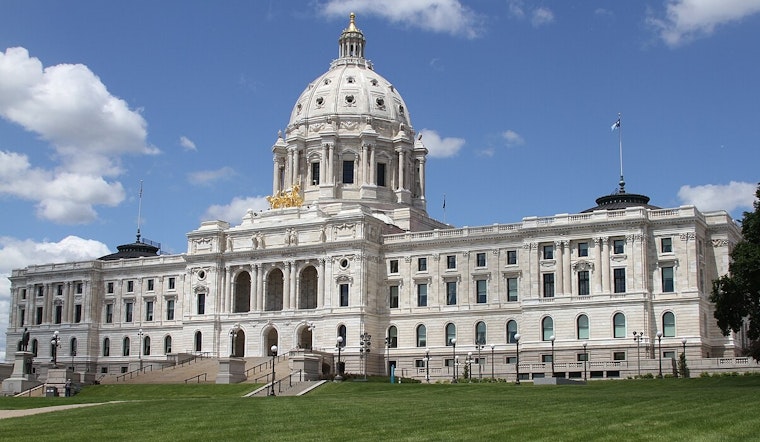
Minnesota’s Capitol is wrestling with a grim but increasingly familiar question: how should schools prepare kids for the nightmare scenario of a shooter on campus without scaring them out of their wits in the process?
This week, the House Education Policy Committee heard a Minnesota Department of Education proposal to tighten up the state’s rules on school safety drills, including how active shooter exercises are defined and when students actually need to be in the room for them. The plan would spell out the differences among lockdown, evacuation and shelter in place drills and create statewide guidance instead of leaving every district to wing it. Local school officials told lawmakers they want room to use modern, trauma-aware models such as the Standard Response Protocol instead of a one-size-fits-all approach built around highly realistic simulations.
MDE’s Pitch And The Bill In Committee
The department walked lawmakers through the proposal as part of Gov. Tim Walz’s broader education policy package, describing it as a clean-up to remove confusion left behind by a law passed last year and to provide consistent expectations across districts. According to House Session Daily, the measure would clarify how state law treats fire, lockdown, active shooter and shelter in place drills and would let some drills happen without students present in order to lessen potential trauma. Deputy Commissioner Maren Hulden told the committee the goal is “a range of provisions aimed at continuing to ensure that our students learn in safe and supportive learning environments,” as reported by House Session Daily.
Districts Push For SRP And More Flexibility
Not everyone who showed up was sold on the way the bill is currently written. Officials from Bloomington Public Schools told lawmakers the language is built around an older, incident-specific mindset and does not reflect how many districts actually train today. Rick Kaufman, Bloomington’s executive director for community relations and emergency management, said his district runs about 11 drills a year and leans on a small set of consistent actions that can apply to almost any emergency. He urged legislators to “give us the option to use any one of the standard response protocols,” according to KSTP.
What The Standard Response Protocol Looks Like
The Standard Response Protocol condenses school safety responses into five plain language actions so staff and students have a short, memorable playbook: Hold, Secure, Lockdown, Evacuate and Shelter. Operational guidance from the I Love U Guys Foundation lays out what each of those steps looks like in practice and emphasizes regular training, practice and coordination with local first responders, according to I Love U Guys. National research has also raised red flags about drills that try to mimic real shootings too closely, warning they can harm students and leave lasting distress, per the NCBI Bookshelf.
What Comes Next In St. Paul
The drill provisions are tucked inside HF3730, the governor’s education policy bill that Rep. Sydney Jordan is carrying in the House. The House Education Policy Committee on Wednesday laid the bill over for possible inclusion in a larger omnibus measure, according to House Session Daily. Translation in Capitol-speak: lawmakers may hash out the details later as part of broader negotiations rather than taking a straight up-or-down vote on this section alone. School leaders who testified said they are hoping the final language spells out how many drills schools must run while still giving districts room to meet those requirements with trauma-informed frameworks.
What Parents Should Know
If legislators ultimately sign off on language that allows certain drills to take place without students, districts could move more of their training into staff-only sessions or tabletop exercises and cut back on intense, full-scale simulations in front of kids. Administrators say cleaner statewide definitions should also make it easier to explain safety plans, coordinate with local police and answer family questions. Parents are being encouraged to ask how their child’s school conducts drills, how much advance notice families get and what kind of follow-up support is offered afterward. National guidance advises against high-intensity, student-involved simulations and favors lower-stress, staff-led preparedness instead, as summarized by the NCBI Bookshelf.





