

























































A high-profile murder trial stemming from the 2023 killing of a visiting teacher on The Catholic University of America campus was supposed to kick off Wednesday in D.C. Superior Court. Instead, everything screeched to a halt after defense lawyers dropped a last-minute bombshell about the case’s lead detective, throwing the schedule and strategy for both sides into limbo.
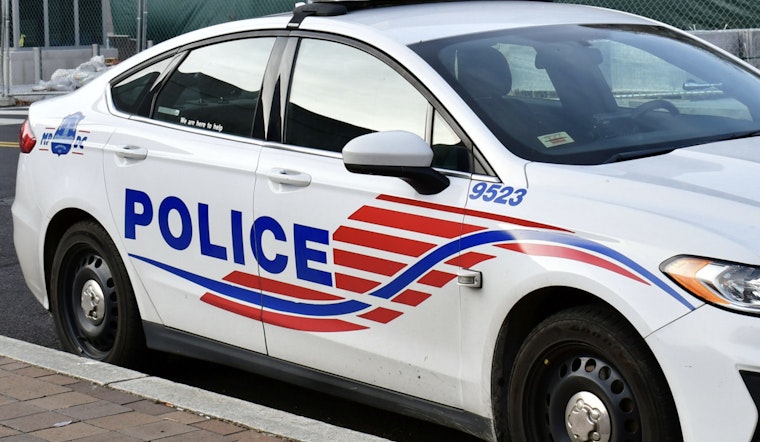
According to new court filings, the Metropolitan Police Department detective who led the investigation has been pulled from the homicide unit and is now under internal investigation. Defense attorneys argue that development strikes at the heart of the prosecution’s case and have asked the judge to dismiss the indictment. The judge did not immediately rule, leaving the trial in a holding pattern.
In a motion filed Tuesday, defense lawyers say Detective Thomas Roy was transferred out of the homicide section, proposed for termination and placed under investigation after an internal-affairs review. The filing alleges that in August 2022, Roy neglected his duties by having sexual intercourse while on duty and recording two videos of the encounter on an MPD-issued cellphone. The motion also highlights the timing of the government’s disclosure of this information, as reported by NBC4 Washington.
The criminal charges at issue date back to July 5, 2023, when 25-year-old Kentucky teacher Maxwell Emerson was shot and killed near the Catholic University campus. Emerson was in Washington to attend the Library of Congress’s Teacher Institute. Prosecutors indicted Jaime Macedo in April 2024 on counts including first-degree murder while armed and multiple weapons offenses. A press release from the U.S. Attorney’s Office states that the government’s case relies in part on surveillance footage from the area.
Earlier reporting described surveillance video showing a man approach Emerson outside the Brookland–CUA Metro station, then follow him toward a bench near Alumni Lane, where a struggle broke out before the shooting. Police said Emerson was struck once in the abdomen and later died of his injury. Those images quickly became central to the initial investigative narrative and helped lead to an arrest, according to The Washington Post.
What the Defense Argues
The new defense motion says prosecutors did not disclose that Detective Roy had been removed from the homicide unit or that an internal-affairs document concluded his conduct had “cast a shadow over his credibility,” which the defense calls classic impeachment material. Lawyers for Macedo say they only learned of Roy’s status last week and argue that the late disclosure undermines the integrity of the indictment itself.
The filing asks the court to dismiss the indictment on those grounds and contends that the credibility findings about Roy are directly relevant to how the jury should view the government’s evidence. The motion, and its characterization of the internal-affairs findings, were detailed by NBC4 Washington. The judge’s decision to pause the start of the trial followed those revelations.
Legal Implications
If prosecutors failed to disclose evidence that could be used to impeach a government witness, courts look to the rules laid out in Brady and Giglio, which require the government to turn over material exculpatory or impeachment evidence to the defense. Judges then decide whether any nondisclosure was “material” to the outcome of a trial and what to do about it.
Available remedies can range from granting a continuance so the defense can regroup, all the way to dismissing charges in more extreme cases. Legal guidance for prosecutors emphasizes that information affecting a key witness’s credibility must be revealed in time for the defense to make meaningful use of it at trial. The FBI’s Legal Digest has summarized how those modern disclosure obligations work in practice and what kinds of sanctions courts may impose when they are not met.
What’s Next
The judge now has to decide whether the defense’s motion justifies dismissing the indictment, delaying the trial, or imposing some other remedy. Until that ruling comes down, the trial calendar is up in the air.
Prosecutors and the Metropolitan Police Department have not gone beyond their court filings with extended public comment. Any new dates, orders or detailed explanations will surface in future Superior Court filings and statements from the parties as the case inches toward its next chapter.



