

























































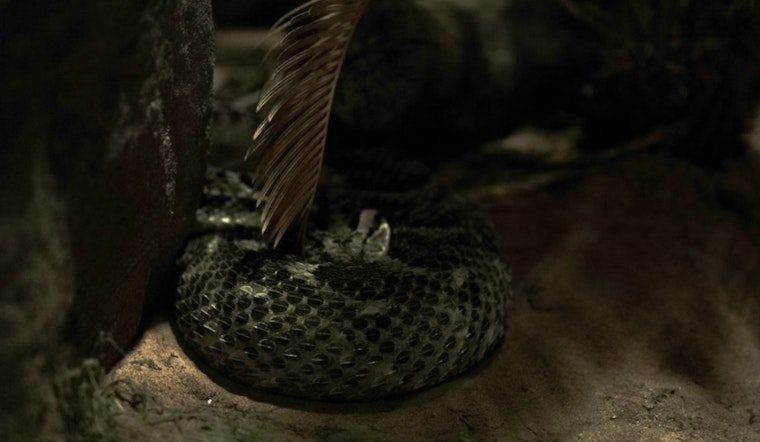
An unusually warm March has rattlesnakes crawling out of winter hiding across California's Central Valley, spooking homeowners and keeping snake-removal crews busy earlier than usual. Sightings from the foothills to the Delta are popping up around yards, garages and backyard pools weeks before many residents expected to see any slithering neighbors.
Professional rattlesnake remover Eric Allen told CBS Sacramento that business started heating up as soon as the temperatures did. "As the temperatures start to warm up, they'll start to come out," he said, adding that his removal website has seen a jump in traffic. Allen explained that snakes "like to find water" and are often discovered tucked under brush, piles of debris or even inside garages.
Where snakes are turning up
The California Department of Fish and Wildlife notes that most rattlesnake bites happen between April and October, when people and reptiles are both more active outdoors. According to CDFW, rattlesnakes look for sunny spots to warm up and shady cover to cool off, which makes cluttered yards a prime hangout.
To lower the odds of an unwanted encounter, CDFW advises residents to keep yards clear of brush and rock piles, seal any holes under sheds, decks or other structures and keep pets leashed when they are outside.
Why March's heat matters
Local forecasters have been flagging an unusually warm pattern this month, with mid to upper 70s and even some pockets of low 80s expected in parts of the Valley. As KCRA reported, that early warmth acts like a wake-up call for cold-blooded snakes, pulling them out of winter hiding well ahead of their typical spring schedule.
How removal pros handle snakes
Allen told CBS Sacramento that when his team captures a rattlesnake, they usually relocate it a few miles away from where it was found so the animal stays within its general habitat. He urges homeowners to trim back vegetation, clear stacked wood or debris and get rid of shady hiding spots that attract both snakes and the rodents they hunt.
What to do if you encounter one
If you come across a rattlesnake, the safest move is simple: give it space and slowly back away. Do not try to chase it off, handle it or kill it. If someone is bitten, seek emergency medical care right away and call 9-1-1 or the California Poison Control System at 1-800-222-1222 for immediate advice, per California Poison Control.
Local coverage also stresses that rattlesnakes are generally defensive rather than on the hunt for trouble. Keeping your distance is the best way to stay safe, according to the San Francisco Chronicle.





