

























































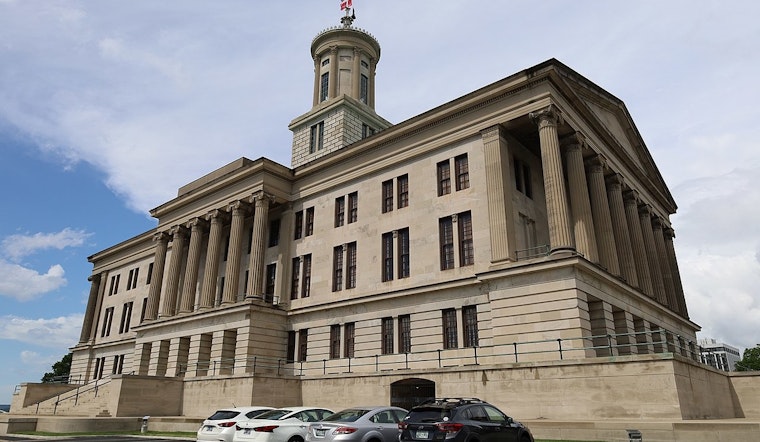
On Thursday, the Tennessee Senate signed off on legislation nicknamed the Charlie Kirk Act, a sweeping proposal that would force public colleges and universities to adopt University of Chicago-style freedom of expression policies. The bill would prohibit campuses and faculty from canceling invited speakers or punishing people over protected speech, and it would open new legal avenues for residents and taxpayers to sue schools and even individual employees over alleged violations.
According to WSMV, the measure was introduced by Rep. Gino Bulso (R-Brentwood) and Sen. Paul Rose (R-District 32) and cleared the Senate this week. WSMV reports that the legislation is slated for discussion in the House on March 31.
What the bill would require
The proposal directs each public college’s governing board to adopt a formal statement on freedom of expression that is “identical or substantially similar to the University of Chicago's Freedom of Expression Policy,” along with an institutional neutrality statement modeled on the University of Chicago's Kalven Report. Those statements would have to be written into institutional bylaws and posted on school websites.
It would also bar institutions from refusing to host an invited speaker because of that speaker’s viewpoints, from blocking student organizations from choosing their own speakers, and from retaliating against faculty members for scholarly work or speech protected by the First Amendment. The bill further authorizes residents, citizens, or taxpayers to seek writs of mandamus or injunctions against institutions and waives sovereign and official immunity for those writs. A fiscal note warns that public colleges could face higher litigation costs and related expenses, according to the Tennessee General Assembly.
Campus impact and pushback
Supporters argue the changes would shore up open debate on campus and rein in administrators they see as too quick to bow to pressure over controversial speakers or viewpoints. Civil-rights advocates counter that the bill’s specific protections for opposition to abortion, homosexuality, and transgender behavior risk opening the door to discrimination and could chill normal academic governance.
The Tennessee Equality Project has flagged SB1741/HB1476 as a measure with the potential to create discriminatory outcomes for students and staff, according to the Tennessee Equality Project.
What happens next
Following Senate passage, the companion House bill (HB1476) is scheduled for discussion on March 31 before House committees and could advance to a floor vote if it clears that hurdle, according to the Tennessee General Assembly. Should both chambers sign off, the bill would head to the governor’s desk, leaving college leaders to weigh legal risk and overhaul campus policies if it becomes law.





