

























































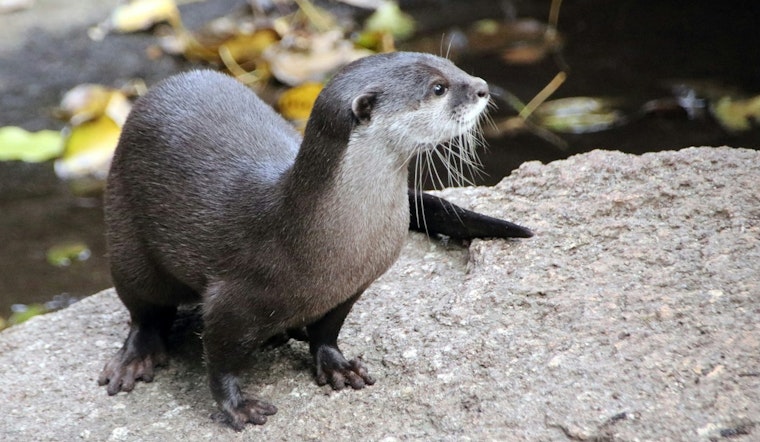
Cheering from the sidelines of a Cary marathon turned unexpectedly painful for a Wilmington woman on Sunday, when she says an otter grabbed her ankle and left her facing an expensive series of rabies shots.
Erin Hogston told WECT News she was standing off to the side of a trail, waiting for friends who were running the race, when she heard rustling behind her and suddenly felt an animal clamp onto her ankle. A passing runner who saw what happened told her the culprit was an otter. Hogston later discovered a bite mark and has since received six rabies shots, with more still to come, medical care she says has already cost her thousands of dollars, as reported by WRAL.
Otter Attacks Are Exceptionally Rare
Otters are not exactly known for terrorizing humans. One medical review counted 44 published otter attacks worldwide dating back to 1875, while other tallies put the number closer to 59. Either way, experts say these encounters are extremely rare.
That does not mean a bite can be brushed off. Any bite from a wild animal should be treated as a potential rabies exposure, according to PubMed Central and the Environmental Literacy Council.
Officials Urge Caution
Wildlife officials say an otter might lash out if it is rabid or if it feels threatened and is simply defending itself, a possibility raised in local coverage of the incident. In response, Wake County is reminding residents to give unfamiliar animals plenty of space and to avoid approaching or feeding wildlife.
Anyone in Wake County who spots strange or aggressive behavior in wild animals is urged to call animal control at 919-212-7387, according to ABC11.
What Rabies Treatment Looks Like
Because Hogston’s skin was broken in the bite, she began post-exposure prophylaxis, commonly referred to as PEP. The Centers for Disease Control and Prevention says PEP typically involves thoroughly cleaning the wound, administering human rabies immune globulin when indicated, and then giving a series of rabies vaccines on days 0, 3, 7 and 14, with a fifth dose recommended for certain patients, according to the CDC.
If you are bitten or scratched by a wild animal, health officials say you should immediately wash the wound, seek medical care and report the encounter to local animal control. Wake County and public health authorities also stress the importance of keeping pets’ rabies vaccinations up to date and steering clear of wildlife, per ABC11.
Hogston said she is grateful the bite was not more severe and hopes her ordeal serves as a pointed reminder that wild animals, no matter how cute they may look from the trail, deserve plenty of distance. Quick medical follow-up after any wild-animal bite remains the best way to keep a bizarre encounter from becoming something far more serious.



