

























































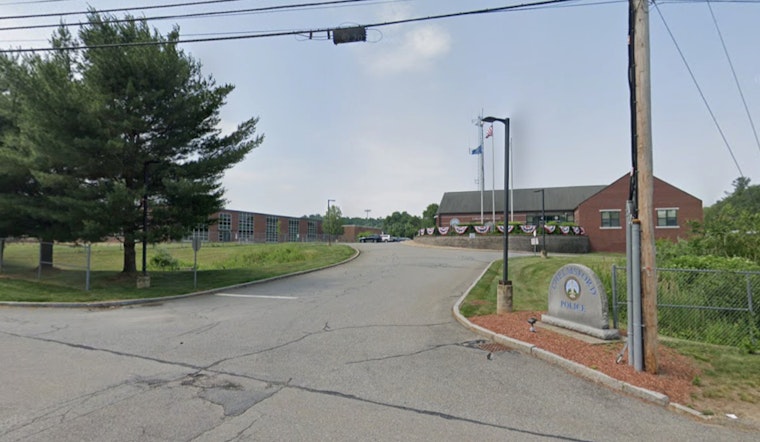
Chelmsford police officers are set to start wearing body-worn cameras on July 1, 2026, the department announced, marking a big shift in how local policing will be documented on the street. The rollout is being bankrolled by a $122,769 state grant that town officials say will cover the first round of equipment and video storage costs. The department has already picked a vendor and plans to place orders once the grant money lands, pitching the program as a move toward greater transparency and trust between officers and residents.
State Grant Pushed The Timeline
The funding comes from the state’s Law Enforcement Body-Worn Camera Program, which helps municipal departments launch or grow camera initiatives, according to Mass.gov. Since the program began, Massachusetts has put roughly $13–14 million toward body cameras for local agencies, with the latest grant round sending more than $3 million to departments across the state. State officials say the goal is to remove at least some of the financial sting for smaller communities that might otherwise keep pushing this technology to the back burner.
What Chelmsford Officials Say
Chelmsford police will receive $122,769 and plan to have officers using cameras starting July 1, according to The Boston Globe. “By embracing body-worn cameras, we strengthen our relationship with the community,” Chief Colin Spence said in a department statement. The department also noted that all three local police unions backed the plan and worked with town officials to get the program in place.
How Common Are Body Cameras In Massachusetts?
Massachusetts does not mandate body cameras for police departments, and adoption has been spotty across the state, as reported by CBS Boston. WBZ’s I-Team found that fewer than half of law enforcement agencies had even applied for grant funding, citing cost concerns and some pushback from unions. The result is a patchwork system where certain communities have extensive video of police encounters while others still depend largely on bystander clips and fixed surveillance footage when major incidents unfold.
What To Expect In July
For Chelmsford residents, the change means that starting this summer, everyday encounters with police are expected to be recorded, and the department will need to lock in policy rules, officer training and data-retention plans before the first cameras switch on, as reported by The Boston Globe. Earlier town discussions projected buying about 60 cameras and upgrading storage systems, with the new grant covering much of the near-term expense. Once recordings start rolling in July, both advocates and local officials will be watching to see whether the program leads to fewer complaints and a boost in public confidence.



