

























































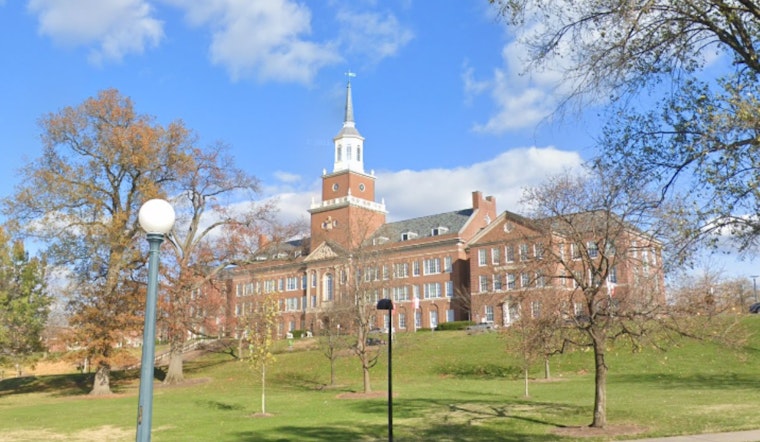
A new University of Cincinnati study says those splashy murals around town are doing a lot more than brightening blank walls. Blocks with murals pulled in nearly three times the pedestrian traffic of similar streets without them, a surge that could mean extra customers for nearby restaurants and shops.
The paper, published in the journal Cities, uses aggregated StreetLight cellphone-location data to stack up block-level patterns in mural and non-mural areas. Researchers controlled for things like commercial activity, mixed-use zoning and pedestrian quality, and still found strong associations between murals and higher foot traffic. The authors stress these are correlations, not proof that murals by themselves are driving neighborhood change.
As reported by the University of Cincinnati, the project was led by assistant professor Hyesun Jeong with DAAP students working alongside community partners. Jeong told the university she was struck by Cincinnati's murals on her first visits, and what began as an internal Faculty Scholars award grew into a larger research effort. University coverage also notes that mural blocks tended to feature higher housing density and more small, independent businesses.
Local reporting by Spectrum News adds that Jeong launched the Cincinnati study with a $20,000 grant from the National Endowment for the Arts and matching funds from the university. Spectrum also quotes graduate student Spencer Silverman saying the project gives students valuable real-world research experience. The interest is already traveling: Jeong and her students are scheduled to present their findings this Thursday at a design workshop in Chicago.
How murals interact with local businesses
Jeong's research suggests murals really shine when they are part of a classic Main Street mix. On her research page, Hyesun Jeong documents that mural blocks surrounded by roughly 10 food-service amenities such as cafes, bars and restaurants can see weekend foot traffic jump to as much as five times the city average. That pattern suggests murals and restaurant density together help create destination corridors rather than just pretty backdrops.
Where the findings fall short
The authors are careful not to oversell the paint. They emphasize correlation rather than causation, noting that slapping a mural on a wall will not automatically revive a struggling strip that lacks commercial activity or walkable streets. The analysis published in Cities found no consistent citywide relationship between murals and crime. One nuance: violent crime declined on mural blocks that also had mixed-use development, hinting that the broader urban context matters as much as the artwork itself.
What this means for Cincinnati
For city planners and arts groups, the study offers a data-backed way to think about where public art can help amplify economic activity. Local reporting notes Cincinnati has ranked near the top of USA Today's 10Best readers' poll for street art, giving the city's murals some national shine. CityBeat has more on the local mural programs and the work of nonprofits such as ArtWorks that help produce and maintain many of the pieces now drawing all that extra foot traffic.





