

























































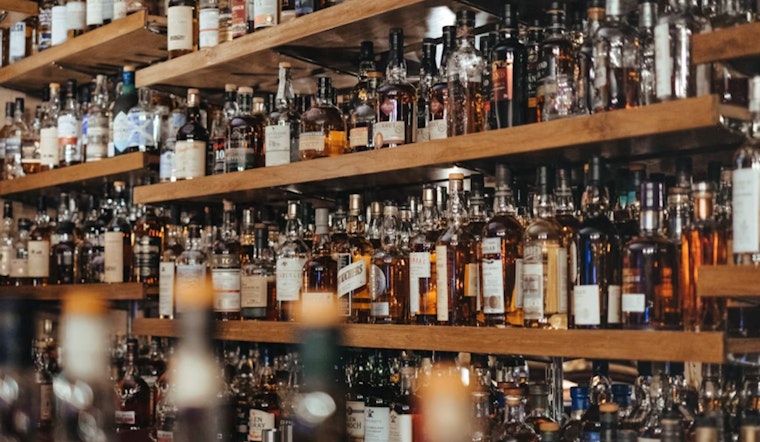
Chicago liquor runs just got a little pricier. Starting Today, March 1, a new 1.5% liquor tax is hitting alcohol bought to be consumed off the premises. The extra line on the receipt will appear automatically at checkout in grocery stores, liquor shops, and convenience stores across the city, replacing the old per-gallon levy that was charged to retailers and shifting the cost to a percentage of the retail price.
According to the Chicago Department of Finance, the tax applies only to purchases intended for off-site consumption and must be collected at the point of sale by package-goods license holders. NBC Chicago reports that the rollout was pushed back by two months so retailers could reprogram registers and point-of-sale systems in time.
What It Will Cost Shoppers
At 1.5%, the surcharge adds only a few cents to most purchases, about 30 cents on a $20 bottle and $1.50 on a $100 bottle, but it comes on top of Chicago’s 10.25% sales tax and existing state excise taxes. That combination means regular supply runs or multi-bottle buys could start to feel heavier on the wallet over time. The tax does not apply to drinks consumed on site at bars, restaurants, or other venues.
How Stores Will Have To Comply
Per Ahlbeck & Cook, package-goods license holders must register with the Department of Finance, collect the tax at the register, and send payments to the city on a monthly schedule. The guidance notes that the first filing period runs from March 1 through June 30, with an August 17, 2026, deadline for the inaugural report on the new tax. Businesses are being urged to work with their point-of-sale vendors on software updates and to run test transactions before closing out the day.
Pushback From Businesses
Retail and hospitality groups pressed City Hall for more time, arguing that software changes and register reprogramming would be pricey and confusing for smaller operators. During the budget fight, aldermen scaled back an earlier idea for a 3% liquor levy in favor of the 1.5% rate now taking effect, and the package projects about $6 million in new revenue from the change, according to the Chicago Sun-Times. The gap between industry warnings and City Hall’s estimates is one reason many observers plan to watch the first few months of collections closely.
Legal Questions And Short-Term Costs
City budget officials have cautioned that the new structure could be tricky to administer and might even cost Chicago money in the short term, and some observers have floated the possibility of legal challenges since the tax treats on-site and off-site consumption differently. WTTW reported that members of the budget team told aldermen these risks were spelled out in committee. If a court ultimately blocks the levy, the city would be staring at a smaller revenue base than it built into the 2026 budget.
How Much Might The City Raise
The budget that enacted the change counts on roughly $6 million from shifting to a percentage-based liquor tax, while the state of Illinois collected more than $300 million in liquor-related taxes in fiscal year 2025, a reminder of how many layers of alcohol taxes already sit on consumers. Those figures are summarized by NBC Chicago. For Chicagoans, it means yet another set of lines on the receipt, with state excise, city sales tax, and now the new city liquor surcharge all stacked together.
Where To Find More Information
Shoppers who notice an unfamiliar charge can ask the retailer for a line-by-line breakdown of their receipt, since the liquor tax should be clearly identified. Package-goods licensees with compliance questions can turn to the city’s official guidance, which includes registration requirements and filing instructions, in the notice from the Chicago Department of Finance.



