

























































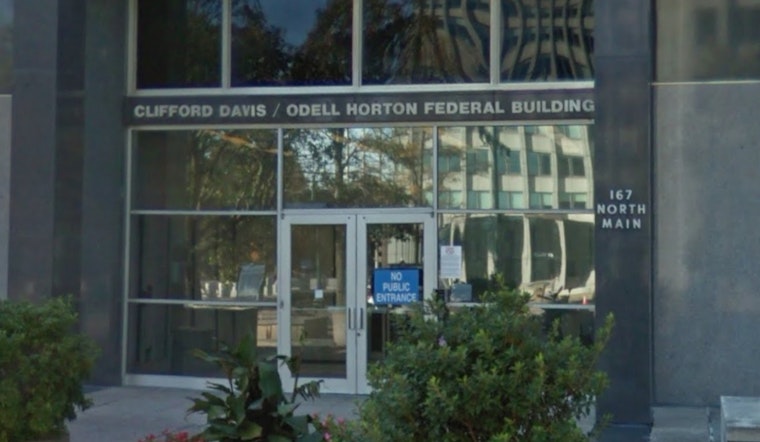
A federal judge has pulled a Shelby County prosecutor out of the legal hot seat in a lawsuit brought by a Memphis man who says a mix-up over his name and birthday left him jailed for months on rape charges meant for someone else. Anthony Sharron Robertson alleges he was mistaken for a different man and spent 140 days behind bars before private counsel secured his release. The March 4 order applies only to prosecutor Gavin Smith and turns on prosecutorial immunity, so other defendants and claims in the case may still be in play.
In a written order, U.S. District Judge Thomas L. Parker granted Smith’s motion to dismiss and found that Smith is entitled to either absolute prosecutorial immunity or qualified immunity, depending on which specific acts are alleged. The court trimmed back the official-capacity claim against Smith, scrutinized indictment paperwork and related filings, and ultimately decided Robertson’s claims could not proceed against him. The full federal court order is available on Justia.
According to Robertson’s complaint, Memphis police were looking for a man named Anthony Terrell Roberson, not him. Somewhere in the criminal court pipeline, an incorrect date of birth and other clerical errors allegedly turned into an arrest warrant for the wrong Anthony. Robertson says he was arrested in Ohio in 2024 on charges tied to the Memphis investigation, held on a $1.3 million bond, and later filed suit against Shelby County seeking $5 million in damages, as reported by Action News 5. His attorneys say they secured a nolle prosequi and his release in July 2024, according to the court filings.
Why the court sided with the prosecutor
Judge Parker’s opinion leans heavily on the long-standing rule that prosecutors acting as courtroom advocates get strong protection from civil lawsuits. The ruling calls absolute prosecutorial immunity a “narrow, but powerful, protection” that is designed to keep prosecutors from being chilled by the threat of personal liability every time a case goes sideways. Within that framework, the court concluded that the conduct Robertson attributed to Smith fell within core prosecutorial functions. As a result, the judge granted Smith’s motion to dismiss, as laid out in the federal order posted on Justia.
What remains of the case
Smith’s exit does not end the lawsuit. Robertson’s amended complaint still names Shelby County and the estate of his former public defender, Michael Johnson, as defendants, and this particular ruling did not wipe out those claims. Robertson first filed suit in December 2024 seeking $5 million for what he describes as wrongful detention and related harms, according to Action News 5. Those remaining claims could move ahead into discovery and further motions as the case continues through federal court.
Why it matters locally
Robertson’s case is a stark reminder of how a few bad keystrokes in a police or court database, a name mix-up, or a wrong birthdate can turn into months in jail and a long, expensive fight to clear things up. It also highlights a hard reality for anyone thinking about suing a prosecutor. Immunity doctrines can shut the door on damages, even when there is no real dispute that a serious mistake happened. For Memphis residents, the ruling underscores that preventing these kinds of wrongful detentions may require systemic fixes in police, clerk, and prosecutor offices, rather than relying on civil suits against individual prosecutors after the fact.





