

























































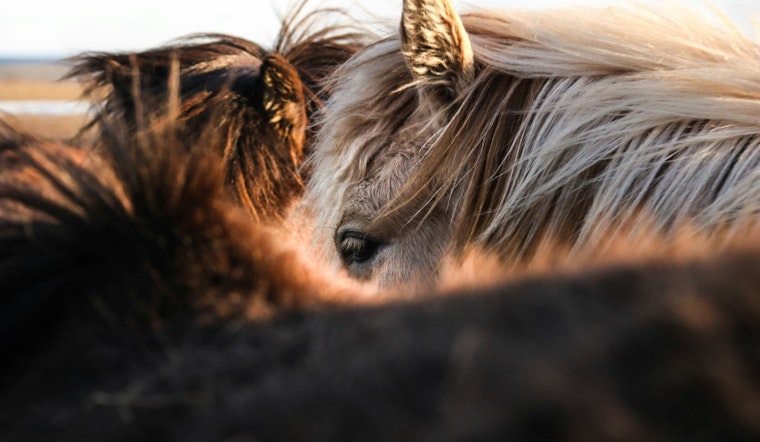
Cold Creek and Mount Charleston residents say federal wild horse gathers this month worry them, worried that animals pulled from the Spring Mountains could wind up sold or shipped to slaughter. Neighbors who have watched the bands graze the high country for years say they want hard proof of what happens after the roundup: clearer buyer records, locations where horses are kept, and follow-up that does not rely on blind trust. Those worries have been sharpened by recent reports from rescue groups and by memories of earlier roundups that left locals uneasy.
The Bureau of Land Management's Pahrump Field Office began gathering operations on or around March 15 and says it plans to remove roughly 425 wild horses and 425 wild burros from the Spring Mountains Complex. Officials say crews are using temporary bait and water traps instead of helicopters and that all animals will be shipped to the Palomino Valley off-range corrals in Reno for veterinary checks before they enter the BLM adoption and sales program. "BLM’s priority is to conduct safe, efficient, and successful wild horse and burro gather operations while ensuring humane care and treatment of all animals gathered," the agency said, according to the Bureau of Land Management.
Nearby residents told reporters they are not convinced the trail from trap to holding pen to adoption event is transparent enough and worry that weak tracking makes it easier for horses to be abused or resold. Locals who spoke with FOX5 Las Vegas said they want public photo logs, receipts, and clear timelines so they can confirm that captured horses stay in legitimate adoptive homes.
Rescue organizations have added their own alarms. A national sanctuary said it identified 15 horses from recent Nevada gathers among animals eligible for slaughter after a Texas adoption and sale event, and filed a formal complaint calling for federal scrutiny, a development first reported by KLAS via a news syndicate.
Why Those Fears Are Not New
The legal and policy history around wild horse sales has been fueling anxiety for years. A 2004 change in federal appropriations law, followed by later agency practices, created room for horses removed from public rangeland to change hands in ways critics say have not always been tightly tracked. The Congressional Research Service details the mix of statute, appropriations riders and agency policy that governs when and how excess animals may be sold or euthanized. That analysis and BLM NEPA documents lay out the categories of "sale eligible" animals and the paperwork that is supposed to follow them, while advocates argue that enforcement and follow up have at times lagged behind those written rules.
Local History And Public Pushback
The tension between community affection and management plans is not new in the Spring Mountains. Residents and animal advocates objected to removals on Mount Charleston in 2025 and pressed federal agencies for clearer communication about where animals were being taken. Mount Charleston wild horse protests in July 2025 called for transparency and for officials to show where removed horses were being housed, and coverage at the time noted that some remaining animals were allowed to stay in place while officials worked on management plans. Those reports underscored residents' demands for more detailed information about the disposition of the horses.
What Officials Say And How To Track The Gathers
BLM has stressed that gathered animals are checked by veterinarians and processed through the agency's adoption and sales pipeline, and that gather reports and post gather documentation will be posted online. The agency's Nevada office has named the Palomino Valley corrals as the primary off range holding facility for animals from Southern Nevada and has provided a local contact for technical questions. Residents with concerns can reach out to the BLM Wild Horse and Burro Program or the Southern Nevada District Office for gather updates and adoption information. The BLM lists program resources on its wild horse web pages and field contacts in its Nevada announcements.
Legal Backdrop
Federal law, subsequent appropriations riders and agency instructions set the boundaries for what BLM may do with excess horses and burros, and the history includes incidents where sold animals later showed up in commercial slaughter channels. The Congressional Research Service provides a summary of that legal evolution, and BLM NEPA materials describe how gathers and the disposition of animals are supposed to work under environmental reviews, including limits and procedural steps for buyers and adopters.
For now, Cold Creek and Mount Charleston neighbors say they plan to keep pressing federal officials for receipts, documentation and transparency, along with clear evidence that captured mustangs are landing in homes rather than commercial pens. BLM says gather reports will be posted and that the adoption pipeline is designed to place healthy animals. The fight now is over whether that system is visible and enforceable enough to satisfy skeptical locals.





