

























































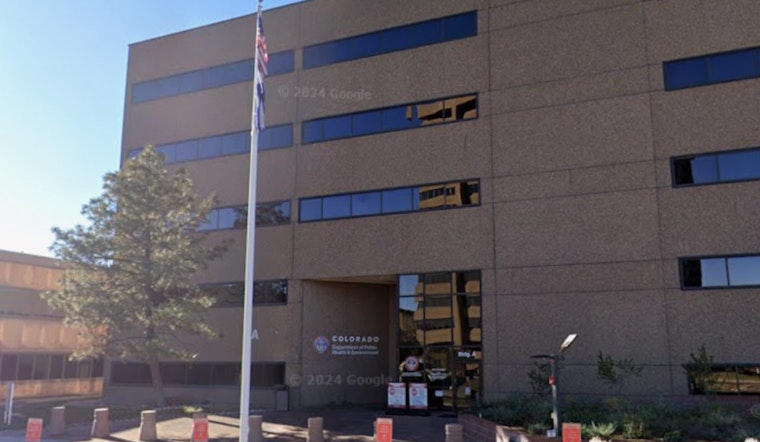
Colorado air regulators are gearing up for a three-day showdown over toxic pollution, with a high-stakes hearing set for April 15–17. On the table is a sweeping package of rules aimed at cutting emissions of industrial chemicals tied to cancer and other serious illnesses. The proposals zero in on neighborhood-level protections for communities that public health experts and residents say have been breathing the worst of the pollution for years. State studies and local activists say the changes would hit sources ranging from large refineries to smaller manufacturers.
What Regulators Are Taking Up And Why
The rulemaking, known as Regulation 30, is designed to carry out parts of the 2022 Public Protections From Toxic Air Contaminants law and would set health-based standards and emissions controls for a list of priority toxins. As outlined by the Colorado Department of Public Health and Environment, the Air Quality Control Commission has scheduled a public rulemaking hearing for April 15–17, 2026, to consider a range of proposed control strategies.
The legislative marching orders are contained in House Bill 22-1244, which requires the state to identify priority toxic air contaminants and adopt controls on a strict timetable. Regulation 30 is one of the main vehicles for meeting that deadline.
Five Chemicals In The Crosshairs
The proposal focuses on five chemicals that regulators say warrant tougher oversight: benzene, ethylene oxide, formaldehyde, hexavalent chromium, and hydrogen sulfide. The draft rules pair health benchmarks with specific pollution controls.
Under the proposal, refineries would face tighter leak-detection checks aimed at reducing benzene emissions. New limits on certain engines and turbines are intended to cut formaldehyde. Uncontrolled chrome-plating emissions that release hexavalent chromium would be banned, and hydrogen sulfide would be capped near homes and schools in identified high-risk zones. Local officials and environmental groups have described the measures as a necessary, if overdue, start for heavily burdened neighborhoods, according to reporting by the Denver Gazette.
Neighborhoods On The Front Line
State computer modeling and community air monitoring show that some lower-income neighborhoods in the Denver area face higher lifetime cancer risks tied to these chemicals, and those findings helped drive the final list of priorities. Reporting from The Colorado Sun notes that the selection followed years of screening hundreds of potential contaminants for both cancer and noncancer risks.
Residents living near the Suncor refinery in Commerce City are among those who have repeatedly reported elevated asthma rates, cardiovascular problems, and other health concerns they link to industrial emissions. The U.S. Environmental Protection Agency has also raised objections in recent years to portions of Suncor’s air permits, underscoring local worries about refinery pollution. EPA records show the agency has taken formal steps related to those permits.
Industry Pushback And A Crowded Hearing
Industry groups, including oil and gas trade associations, utilities, and the Colorado Chamber of Commerce, argue that the proposed rules go too far. They contend the package is overly broad, too expensive, and overlaps with existing federal standards. In written comments and early testimony, representatives have pushed for narrower rules, more flexible implementation timelines, and less paperwork.
The April hearing will run in person and online, and public comment slots are already booked, according to the Denver Gazette. Commissioners are expected to deliberate and take a final vote at the end of the April 15–17 proceedings.
How To Track Regulation 30 From Here
The Air Pollution Control Division has posted all technical documents, proposed rule language, and formal position statements for the case. The Colorado Department of Public Health and Environment site also lists hearing materials and sign-up information for people who want to observe the proceedings.
If the Air Quality Control Commission adopts the new controls, regulators will still have to revisit the rules on a multiyear review cycle, as required by the original statute. The agency has said that carrying out Regulation 30 will involve updates to permits and on-the-ground monitoring that could take months or even years to fully roll out. For links to the docket and full rulemaking packet, residents can head to the air-toxics pages maintained by the Colorado Department of Public Health and Environment.




