

























































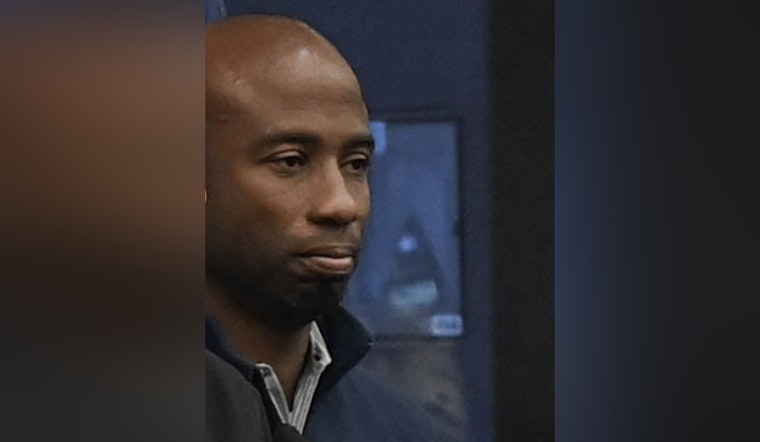
New York City Schools Chancellor Kamar H. Samuels spent Monday in the hot seat at the City Council’s education oversight panel, defending the Department of Education’s preliminary Fiscal Year 2027 budget while members pressed him for specifics. Questions zeroed in on how the department plans to balance legally mandated class-size reductions, mounting special education costs, and an expanding early childhood system in what city officials describe as a tight budget year, with council members and district leaders looking for concrete answers for classrooms across all five boroughs.
NYC Public Schools flagged the appearance with a “LIVE” notice on X that linked to the livestream, according to NYC Public Schools. The hearing was one stop in a broader series of budget and oversight sessions on the mayor’s preliminary Fiscal Year 2027 plan, laid out on the official agenda of the New York City Council.
Tight Budget, High Stakes For NYC Classrooms
Mayor Zohran Mamdani rolled out the Preliminary Budget in February, casting Fiscal Year 2027 as a lean year that will require both new revenue and difficult tradeoffs. The proposal totals roughly 127 billion dollars in all funds for FY27 and assumes a 9.5 percent property tax rate increase that the administration says would raise about 3.7 billion dollars, according to the New York City Mayor's Office. Those numbers have left the Council weighing how the Department of Education’s requests for teacher hiring, class-size funding, and special education dollars fit into the city’s broader fiscal picture.
Samuels Leans On Hiring Gains And Albany Help
In both his oral remarks and written testimony, Chancellor Samuels framed the department’s top priorities as early childhood programs, literacy, and class-size reduction, and pointed to recent city and state investments that he said allowed the system to staff thousands of new teaching positions. In that testimony he wrote that the department “funded and staffed nearly 3,700 teaching positions for class-size reduction,” and reported that about 64 percent of classes are now below the new legal caps, a topline metric he highlighted to defend the administration’s strategy, according to the NYC Department of Education. He also urged continued cooperation from Albany and City Hall to keep those efforts funded.
Class Size Law Keeps Driving Up The Tab
A 2022 class-size reduction law remains one of the biggest cost drivers in the schools budget because it requires citywide caps to be met by 2028 and has strained the system for both teachers and available space. Earlier reporting and analysis have found that the law’s phased-in milestones pushed the city to hire thousands of additional teachers and reconfigure school buildings, and that planners still face a shortage of classroom seats; the Independent Budget Office and educators previously warned that reaching full compliance will require hundreds of millions of dollars in new spending and tens of thousands of additional seats, as reported by Chalkbeat. Those pressures surfaced repeatedly as council members questioned the department.
Council Turns Up Heat As Budget Clock Ticks
Council members have lined up a series of oversight hearings this month to dig into agency spending and priorities and are taking testimony through late March before drafting a formal response to the mayor’s plan, according to the Council’s budget briefing. The New York City Council has said those hearings will shape line-by-line budget negotiations. At the same time, City Comptroller Mark Levine has warned of structural fiscal risks in his updated analysis of the FY27 plan, flagging optimistic revenue assumptions and long-term liabilities that could complicate new spending requests, according to the New York City Comptroller's Office.
However the numbers shake out, the choices made in this budget will ripple across more than 1,600 schools and roughly 1.1 million students and staff in the nation’s largest public school system. NYC Public Schools has been urging both city and state support to meet legal mandates while protecting core programs, and Samuels told the hearing he intends to keep pressing for those resources. The Council is expected to publish its preliminary response to the mayor’s plan after the current round of hearings concludes.





.jpg)