

























































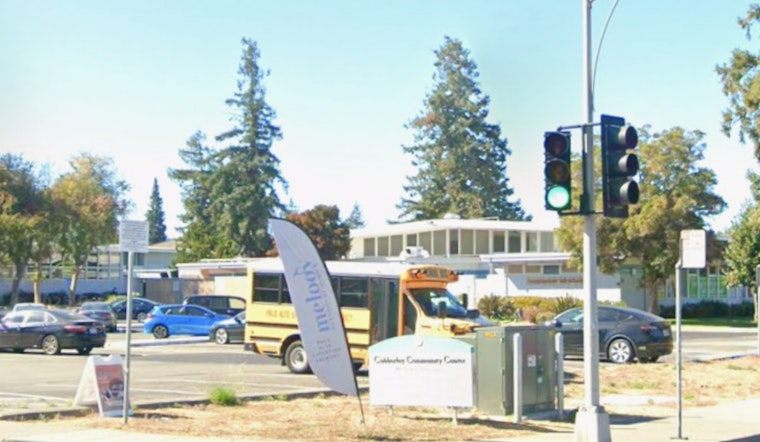
Two Palo Alto commissions have thrown their weight behind a sweeping remake of the longtime Cubberley Community Center, nudging a high‑stakes arts and recreation plan closer to a future ballot fight over land, taxes and construction money.
The concept, which would rework the south‑side campus with new performance spaces, gyms, green space and structured parking, still has plenty of design tweaks and public vetting ahead. For now, it has cleared its first big political hurdle.
The Planning and Transportation Commission and the Architectural Review Board both voted to endorse the master plan’s overall layout, and the package now heads to the Parks & Recreation Commission and, ultimately, the full City Council, according to Palo Alto Online. Commissioners largely praised the way the draft plan prioritizes programs, while pressing designers to tighten up bicycle and pedestrian links. Staff are expected to return with refinements before council takes it up this spring.
What the master plan would build
The latest concept clusters indoor and outdoor uses around a new central promenade, with more open lawn and gathering areas threaded through the site. Program pieces on the table include a two‑theater performing arts complex, classrooms and studios, a recreation and wellness center with an indoor pool and stacked gyms, and a parking structure topped with courts.
Co‑design materials shown to stakeholders lay out several phasing scenarios, along with square‑footage breakdowns that staff have been using to test costs and circulation patterns. Those program boards and meeting summaries sit in the project’s planning packets and in PAUSD’s co‑design materials for anyone who wants to dig into the fine print.
Under a draft deal with the school district, the city would buy seven additional acres for $65.5 million, which would bring its share of the overall campus to roughly 15 acres. TheatreWorks Silicon Valley has signaled it would help raise money for the performing arts portion if both the land purchase and a Cubberley funding measure succeed, according to the city’s announcement. Officials are stressing that neither the acquisition nor any construction can move ahead without voter approval and later budget decisions, and the city’s release ties the two‑theater concept and the land buy together as milestones the community must sign off on.
How the city would pay for it
To pay for all this, City Hall is eyeing a local tax measure, with November 2026 marked as the first realistic shot at the ballot. Consultants are urging careful polling before anyone locks in a funding strategy.
A recent FM3 survey, reported by the Palo Alto Daily Post, found about 48% support for either a parcel tax or a general sales tax to bankroll Cubberley upgrades, short of what a bond campaign typically likes to see. The pollster recommended more work on the ballot language and the price tag before putting anything in front of voters. City staff say the master plan is deliberately phased so individual elements can be scaled to match public appetite and whatever funding actually materializes.
Concerns and trade‑offs
Public speakers at the commission meetings zeroed in on some familiar Palo Alto pain points. Several residents flagged missing protected bike and pedestrian routes, and said on‑site parking already feels tight. Others worried that chunks of the proposal look like wholesale replacement rather than modest remodeling.
Commissioners urged the design team to sharpen circulation and sightlines, and to clarify the diagonal promenade that is supposed to knit Middlefield Road into the interior greens. Those critiques, along with commissioners’ comments, were aired and recorded during the endorsement hearings covered by Palo Alto Online.
A new arts anchor
A key piece of the vision is a permanent home for TheatreWorks Silicon Valley. The company has told the city it is exploring a move to Cubberley and would partner on a roughly 40,000‑square‑foot, two‑theater complex if the land deal closes and voters back the overall funding plan.
What’s next
Design work and CEQA review will continue while the remaining commissions take their turn at suggesting edits. The Parks & Recreation Commission is slated to review the master plan in late March, and the City Council is scheduled to consider adopting it in April, with a November 2026 ballot still circled as the target for a funding measure, according to local coverage.
Staff plan one more round of polling in mid‑March to test which combinations of projects and tax levels have the best chance at the ballot before they settle on exact language. Residents can expect spring council packets and community meetings to spell out phasing, firmer cost estimates and any construction timeline that would follow if voters agree to pay for a Cubberley overhaul.





