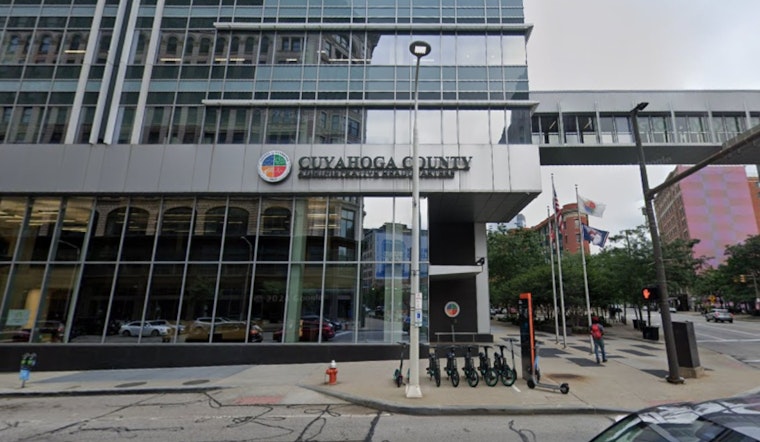
Cuyahoga County is rolling out a new twist on home protection, a “Deed Lock” two-factor authentication system for recorded property deeds that is meant to cut off title fraud before it hits the courthouse records. The idea targets a growing problem that often zeroes in on vacant or lightly monitored homes. Under the plan, homeowners would pre-register and then receive a text message if anyone tries to record a deed for their property, giving them roughly 24 to 48 hours to confirm or block the transfer. County officials are pitching it as a way to head off scams that can leave owners locked out of their homes and stuck with expensive legal battles.
As reported by Cleveland 19, Brian O’Malley, Cuyahoga County’s director of Transfer & Recording, said the system would treat a deed filing much like a bank login, with a confirmation text going straight to the owner’s phone. The county is also weighing a PIN option for legitimate sales. O’Malley told the station, “it'll shoot you a text asking is this you?” and developers say a later phase could allow remote registration that uses AI facial recognition. Officials say they plan to spend time on community outreach and hope to begin rolling the system out in late spring or early summer.
How the Deed Lock Would Work
The county’s Transfer & Recording office, which handles deeds and related documents and lists Brian O’Malley on its staff roster, would serve as the hub for the new program. Cuyahoga County explains that the office processes recorded documents and fields public inquiries. Under the Deed Lock plan, owners initially would need to register in person with valid identification, and all listed owners would have to be present. Once a property is locked, any deed presented for recording would trigger the notification step so an owner can confirm or deny the filing.
A Growing Local Trend
The move comes as other Ohio counties roll out similar protections for homeowners. Mahoning County announced two free services this January: a Fraudulent Transfer Prevention Alert that can block a transfer until it is verified and a Property Ownership Alert that notifies subscribers after a change. The county has said that prevention alerts require in-person verification to enroll, according to the Mahoning County Auditor. Together, those programs reflect a regional push toward human verification and automatic alerts as first lines of defense.
What Homeowners Should Know
Title theft can be hard to spot, and many victims only discover a forged transfer after strange mortgage or tax notices start showing up. Consumer-security guides advise homeowners to periodically check recorded documents at their county recorder’s website and to sign up for any free alert services the county offers. Keeping contact information current with county offices also helps make sure notifications actually land on the right phone or in the right inbox. For an overview of how deed fraud typically works and practical monitoring steps, see IdentityGuard’s consumer guidance.
Legal And Practical Stakes
When forged deeds get recorded, owners can face months or even years of litigation to clear title, along with steep attorney fees. County leaders say the Deed Lock is designed to stop that cascade before it starts. The county has described the program as possibly “the first of its kind in the nation,” and officials say they hope other jurisdictions will adopt similar safeguards if the pilot proves effective, according to Cleveland 19.