

























































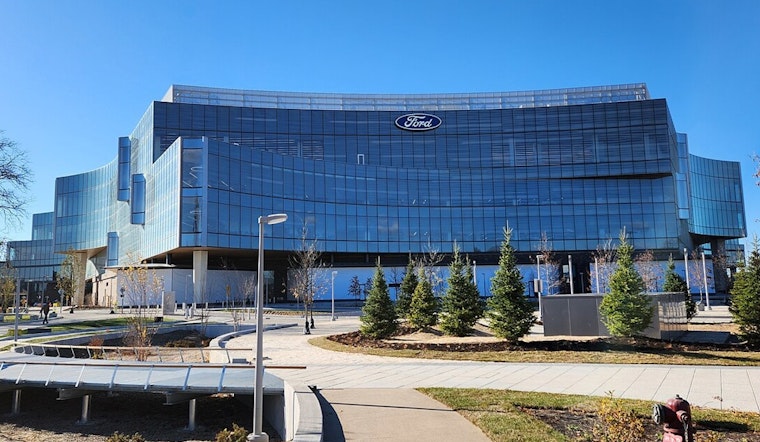
The National Transportation Safety Board is calling a public hearing for March 31 to dig into the probable cause of two deadly crashes involving Ford Motor Co.'s BlueCruise advanced driving system. The cases involve a March 3, 2024 crash on I‑95 in Philadelphia and a February 24, 2024 crash on I‑10 in San Antonio, both already under parallel federal investigation after authorities found BlueCruise was active before impact. In Washington, investigators plan to present event‑recorder data, sensor logs and system diagnostics as board members question company and agency witnesses.
According to Reuters, NTSB Chair Jennifer Homendy said the board would meet later this month to review the investigations and determine probable cause. The hearing will focus on whether BlueCruise behaved as designed and on driver oversight and system limits. The board members' findings could shape safety recommendations and regulatory follow‑ups.
What federal investigators have already found
Federal regulators have identified patterns that point to sensor and detection limits at highway speeds. According to NHTSA, an engineering analysis opened January 17, 2025, covers 2021-2024 Mustang Mach‑E vehicles and flags a design choice that would "inhibit any response to reported stationary objects when the subject vehicle’s approach speed is at or above 62 mph," while also noting that performance may be limited in poor nighttime lighting. The agency stated it will perform vehicle evaluations, review technical specifications and analyze related crashes and near‑miss reports as part of the ongoing inquiry.
The crashes under review
NTSB factual reports state that both Mach‑E vehicles had BlueCruise or related Co‑Pilot360 software active immediately before impact, and recovered event data indicates no driver braking or system‑initiated deceleration prior to the collisions. The Philadelphia report details the March 3, 2024 pre‑dawn I‑95 crash that killed two people, and the San Antonio report examines the February 24, 2024 I‑10 crash that killed one person. Those findings are laid out in the NTSB factual reports for the Philadelphia and San Antonio crashes: NTSB Philadelphia factual report and NTSB San Antonio factual report.
What BlueCruise is and what Ford says
BlueCruise is Ford's hands‑free highway driving feature that builds on adaptive cruise control and lane‑centering and uses a driver‑facing camera to monitor attention. Ford's product pages state that BlueCruise operates on roughly 97% of controlled‑access highways in the U.S. and Canada and that the feature generally requires activation or a subscription; the company emphasizes that the system is supplemental and that drivers must remain responsible for monitoring the road. Regulators intend to examine whether the in‑vehicle monitoring and the system's software logic worked as intended in the seconds before impact; see Ford for the automaker's description and availability.
At the March 31 hearing, the NTSB plans to take forensic testimony about sensor logs, software logic and driver‑monitoring video, along with technical cross‑examination of automaker and regulator witnesses. While the NTSB does not order recalls, its probable‑cause findings and safety recommendations often lead to regulatory action and industry fixes. The board's record from the hearing will be added to the public docket and is expected to inform how automakers and agencies handle hands‑free driving software and oversight in the months ahead.



