

























































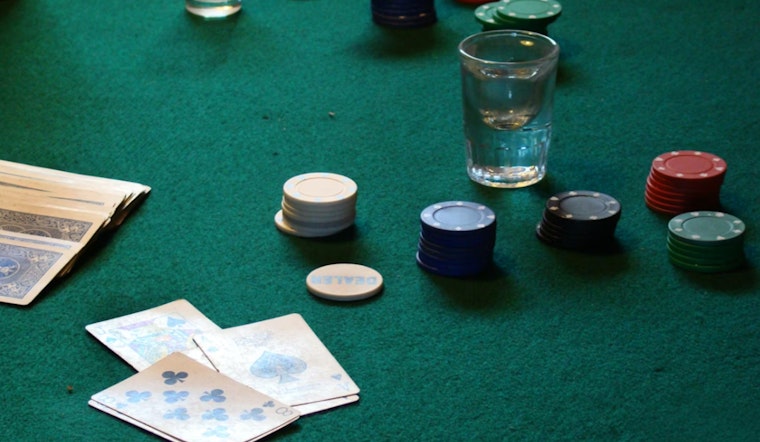
In a move that says a lot about where the real fight will be, the D.C. Council has shifted Mayor Muriel Bowser’s push to legalize poker and blackjack over to the Committee on Human Services. The proposal would open the door for licensed poker and blackjack at select hotels, restaurants and other approved venues, tied to new licensing, oversight and tax rules that would treat card tables as both an economic engine and a public‑health concern.
Council Bill B26‑0379 was formally rerouted to the Human Services panel on March 3, after initially landing with the Committee on Business and Economic Development last fall. The change means councilmembers who typically drill into health and social‑service issues will now steer the hearings and any rewrites of the legislation, according to LegiScan.
What the bill would do
The measure would create a two‑year operator’s license for poker and blackjack, with a nonrefundable $5,000 application fee plus $2,000 for each location an operator wants to run. Renewals would cost $1,500, with an additional $500 per venue. Gross gaming revenue from poker and blackjack would be taxed at 25 percent, with the first $250,000 in annual tax receipts going to the Lottery, Gambling and Gaming Fund and everything above that flowing into the city’s General Fund. The Office of Lottery and Gaming and the Alcoholic Beverage and Cannabis Administration would jointly handle licensing, background checks, employee occupational permits and enforcement, while online or electronic versions of the card games would stay off‑limits. D.C. Council.
Why the Human Services Committee matters
Parking the bill in Human Services ensures the committee that oversees behavioral health and social‑service systems has to grapple directly with problem‑gambling safeguards, voluntary self‑exclusion programs and whether the city actually has the staff to police a new set of gaming operations. The reassignment comes after earlier resistance, including a committee report from the Washington Business Journal that recommended the Council reject Bowser’s initial version. It also fits into a broader, sometimes controversial package of economic proposals the mayor has floated to juice revenue and hospitality activity, as detailed by The Washington Post.
Next steps and timeline
The Human Services Committee can now schedule hearings, call in officials from the Office of Lottery and Gaming and the Department of Behavioral Health, and craft amendments before the bill ever reaches the full Council. Residents and industry players would have the chance to weigh in through public testimony, which is standard procedure. Legislative trackers currently show the reassignment and status of the bill, and the Council’s own committee rules lay out how hearings and markups are supposed to unfold. LegiScan; background on committee work is available from the D.C. Council.
Supporters argue the measure would give hotels and hospitality businesses a fresh draw and keep gambling dollars from leaking to neighboring jurisdictions. Critics counter that the city needs stronger addiction treatment, consumer protections and enforcement muscle before it invites more legal wagering into the mix. The coming Human Services hearings will be the first real test of whether the Council is ready to bet on this bill, scale it back or quietly let it sit in committee while other revenue and public‑health priorities take the lead.



