

























































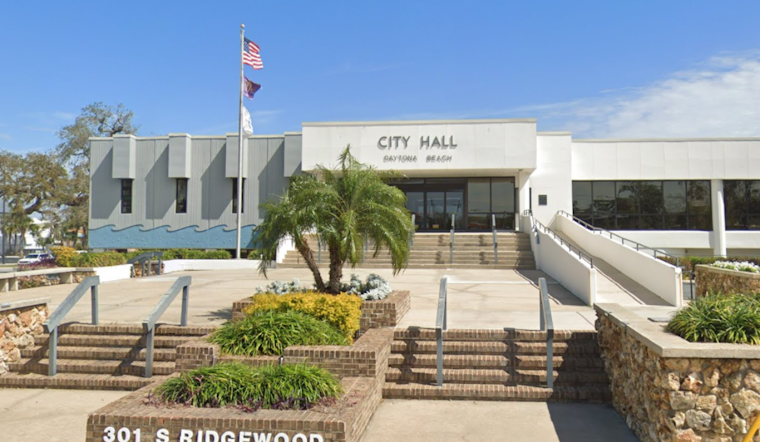
Daytona Beach leaders have handed one of the city’s thorniest water questions to the voters: should treated wastewater ever be turned into drinking water inside city limits, or pumped into the aquifer that feeds local wells?
Yesterday, city commissioners voted unanimously to put that question on the November ballot as a charter amendment, capping weeks of packed meetings and heated public comment. The move lands just as a statewide deadline is forcing cities to figure out what to do with millions of gallons of treated wastewater that can no longer be dumped in rivers and other surface waters.
Commissioners took the vote at their March 18 meeting, agreeing to ask residents whether to prohibit so-called “toilet-to-tap” potable reuse within the city, according to ClickOrlando. Staff told officials there are no current plans to connect reclaimed water to the drinking system, but said new state rules on wastewater discharges have sped up the debate. Supporters of sending the issue to the ballot argued that locking it into the charter would force any future change to go back to voters instead of a later commission deciding on its own.
What The Amendment Would Do
The proposed charter language would prohibit Daytona Beach from using “blackwater” — reclaimed wastewater that includes toilet and kitchen flows — as a source of drinking water, and would also bar the city from injecting that treated flow into the Floridan aquifer. If the commission’s action stands, voters will see the measure on the November ballot, where they can approve or reject it, as reported by MyNews13. City staff explained to commissioners that the ordinance is designed to keep any future council from authorizing direct potable reuse without going back to the electorate first.
State Deadline Turning Up The Pressure
Under Florida law, utilities must eliminate non-beneficial discharges of treated wastewater to surface waters by Jan. 1, 2032. That requirement is pushing cities across the state to find new uses for large volumes of reclaimed water that used to flow into rivers and canals. The Florida Water Environment Association has outlined the deadlines and planning requirements utilities face as they sort through compliance options.
In fiscal 2025, Daytona Beach produced about 14.11 million gallons per day of reclaimed water and discharged roughly 8.41 million gallons per day into the Halifax River, according to figures from local utilities cited by Central Florida Public Media. Those numbers help explain why the city is under pressure to pick a long-term strategy, whether or not voters embrace a ban.
Residents Push Back
Public sentiment at recent commission hearings has leaned heavily against any scenario that puts treated wastewater near the tap. Residents lined up at microphones to say so in no uncertain terms.
Scientists and engineers may have a more technical vocabulary for advanced treatment, but politically, those two phrases are the ones echoing in City Hall.
County Split And What’s At Stake
Zoom out a bit, and Volusia County is hardly speaking with one voice. In February, the Volusia County Council voted 4-3 against placing a countywide toilet-to-tap ban on the ballot, highlighting deep disagreement among local elected leaders, according to ClickOrlando.
Backers of the Daytona Beach charter amendment argue it would protect the drinking water supply from any future effort to pipe in reclaimed sewage. Critics, including some utility officials, warn that taking certain options off the table could leave only more expensive fixes, which might show up later on customer bills. That tradeoff was explored by Central Florida Public Media.
In other words, the fight is not just over what comes out of the tap, but who pays and how much when the 2032 clock runs out.
What’s Next
If the charter amendment is certified for the ballot, the question will go before Daytona Beach voters in November, with the city clerk handling the certification process, WFTV reports. In the meantime, utilities are expected to keep working on engineering plans to meet the state’s 2032 deadline while the political side plays out.
City officials anticipate more technical briefings and public hearings as Election Day approaches, meaning residents will likely hear a lot more about blackwater, aquifers, and reclaimed flows before they ever see the question on their ballots.
Legal Note
During commission discussions, city staff warned that any local ban could be constrained by state law and would likely face legal scrutiny. The city attorney told commissioners the ordinance would be subject to state preemption in certain situations, according to Observer Local News.
That sets up a potential clash between a voter-approved charter restriction and Florida’s permitting system for wastewater and drinking water. If the amendment passes and is later challenged by regulators or in court, that tension is likely to be front and center.





