

























































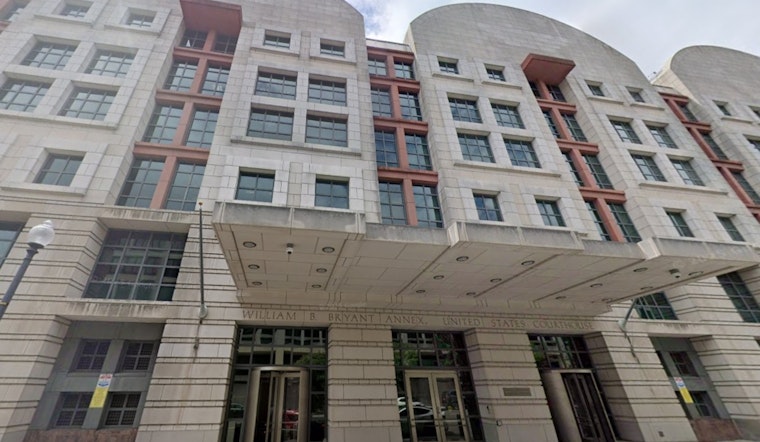
A routine traffic case that went nowhere has now landed Immigration and Customs Enforcement in federal court trouble. A judge in Washington, D.C., sharply criticized the agency after finding that ICE improperly terminated the F-1 status of an Indian student at the University of Wisconsin-Milwaukee. The ruling in Patel v. Lyons gives the student a legal foothold to challenge the SEVIS revocation under the Administrative Procedure Act and calls out the agency's reliance on mass database sweeps. The student, identified in court filings as Akshar Patel, had his SEVIS record flagged after a dismissed 2018 traffic matter and later obtained an emergency order restoring his record.
Judge says agency acted arbitrarily
In an order dated Feb. 27, 2026, the court found that ICE had not shown it would refrain from re-terminating Patel's SEVIS record and allowed him to press APA claims challenging the revocation. The decision faulted ICE for treating dismissed or minor infractions as dispositive grounds to end a student's status and stressed that agencies must follow individualized procedures before stripping someone of immigration protections. The case docket and background are available via Civil Rights Litigation Clearinghouse, and the ruling was reported by M9 News.
How ICE identified students
Court filings in related matters and testimony summarized by judges show ICE ran roughly 1.3 million student names through the FBI's National Crime Information Center and reviewed thousands of resulting "hits" as part of a Student Criminal Alien Initiative. Those screenings produced large numbers of matches - some for arrests or citations that did not result in convictions - and the government then narrowed the list for further review before terminations. The process and numbers are discussed in federal filings summarized on FindLaw.
ICE response and policy change
Facing a wave of lawsuits and emergency orders, ICE announced it would restore many SEVIS records while the agency drafts a new termination policy, and courts have pressed agency officials to explain their decision-making. Reporting from Bloomberg Law shows the agency circulated internal guidance after the litigation intensified. Universities and student advocates say the episode exposed the risks of relying on automated database sweeps to make status determinations.
What this means for students and schools
Immigration lawyers say Patel's victory could make it easier for other students to press APA and due-process claims when terminations are based on dismissed or minor records. The nationwide flap prompted dozens of lawsuits and hundreds of temporary restraining orders as campuses scrambled to support affected students and international-student offices tracked SEVIS changes. National organizations and researchers warn the enforcement wave has broader enrollment and economic consequences; NAFSA's policy summaries document the scale of terminations and the policy debate that followed.
Legal takeaways
Patel's case, assigned to Judge Ana C. Reyes in the U.S. District Court for the District of Columbia, shows courts are scrutinizing blanket enforcement approaches and demanding agencies provide reasoned, individualized decision-making. Even where ICE has administratively restored a SEVIS record, judges may still permit plaintiffs to pursue claims that the original terminations were arbitrary and capricious. Attorneys for students say the ruling is likely to influence ongoing litigation and how agencies use criminal-record databases going forward; reporting on the case's facts and the dismissed traffic matter is available from The Times of India.



