

























































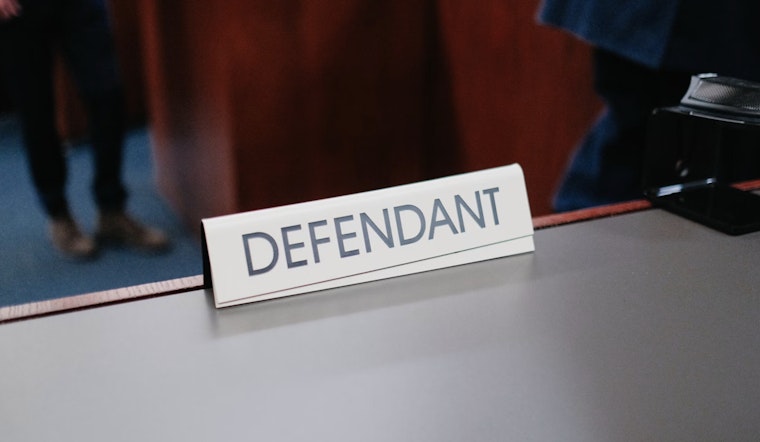
In a Manhattan federal courtroom this week, defense attorneys for two men charged in an alleged New York City terror plot argued the pair were complete strangers before their arrests, telling the judge there was no real partnership and no real plan. If that argument sticks, it could take a serious bite out of prosecutors' core claim that the men were working together on a coordinated scheme to unleash gunfire or explosives on a crowded Manhattan target. Federal officials say the alleged plot was stopped in its tracks by a police sting last month.
According to STL.News, the defendants are 23‑year‑old Amir Khan and 28‑year‑old Basit Aziz, both arrested in late September. Prosecutors say intercepted messages and surveillance footage show the men discussing an attack and digging online for bomb‑making information and possible locations. NYPD Commissioner Keechant Sewell, in comments reported by the outlet, praised the undercover operation as one that "exemplifies the NYPD's commitment to protecting New Yorkers and preventing threats to public safety."
Defense pushes back
Khan’s attorney told the judge, "They had no prior acquaintance or dialogue that would substantiate this alleged conspiracy." The defense is urging the court to remove the "terrorist conspiracy" label from the case and is challenging whether the intercepted communications can be used at all, as reported by STL.News.
Legal implications
Under federal law, a conspiracy charge hinges on proof that at least two people agreed to commit a crime and intended to move that plan forward. In most jurisdictions, prosecutors also have to show an overt act that goes beyond loose talk, according to Cornell. If the judge ultimately finds there was no real agreement in place before the arrests, the government could have a far tougher time convincing a jury there was a coordinated terror plot beyond a reasonable doubt.
What's next
Khan and Aziz remain held without bail and are scheduled to return to federal court for a status hearing in early November. In the meantime, lawyers on both sides are expected to file a flurry of motions that will shape what evidence jurors might eventually see and whether the hot‑button "terrorist conspiracy" designation survives the first round of legal challenges.




