

























































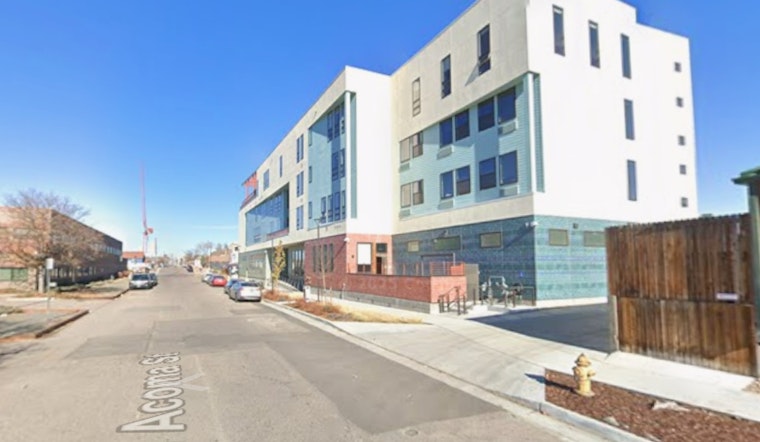
Denver’s newest youth homeless shelter is living up to its nickname. Urban Peak’s “Mothership” campus is only a year old and already helping teenagers and young adults land permanent housing about three times faster than before the facility opened, according to early outcome data. The four-story complex replaces an aging shelter, boosts overnight capacity, and pulls case management, medical care, and mental health support into one hub that city leaders say is cutting time spent in crisis and could trim future public costs.
Urban Peak and its partners released first-year results this month, and coverage from 9NEWS, plus a distributed release through PR Newswire, reports that youth at the Mothership are reaching permanent housing roughly three times faster than historic averages. Urban Peak’s release frames the early gains as “significant cost savings” because shorter shelter stays can mean fewer expensive trips through emergency rooms, police contacts, and other crisis systems. The nonprofit is pitching the numbers as baseline data that it and funders will keep an eye on as the experiment scales up.
Per City and County of Denver and Urban Peak, the Mothership sits at 1630 S. Acoma Street and pushed Urban Peak’s overnight bed count from roughly 40 to about 136. The site also includes transitional housing units, an on-site health clinic, and spaces for education and employment services. The city put $16,764,567 from the voter-approved RISE Denver bond program into construction and marked the official opening with a July 24, 2024, ribbon-cutting ceremony.
Urban Peak’s 2024 impact summaries point to encouraging longer-term outcomes as well. Of the youth exiting its housing programs, 88% moved to what the nonprofit classifies as a stable environment, and 95% remained housed for at least a year, according to its donor profile on ColoradoGives. Supporters say those retention rates back up the idea that an integrated setup, not just a bed but wraparound services, helps young people hang onto housing once they get it.
How the Mothership Speeds Exits
The campus is laid out in trauma-informed “neighborhoods” with program spaces such as teaching kitchens, a music studio, classrooms, private counseling areas, and on-site behavioral health offices so staff can tackle barriers while youth are still under the same roof, Urban Peak explains. Case managers sit alongside clinicians and housing navigators in the building, which cuts the lag between stabilization, voucher referrals, and move-in. Urban Peak credits that tight alignment of services with much of the early drop in how long it takes young people to exit homelessness.
Cost and City Calculus
City officials and funders are watching the dollars as closely as the outcomes. The nonprofit’s distributed release and related funding narratives argue that faster exits translate into lower public costs per youth, although everyone involved is quick to note that the data is still early. A Colorado housing finance application narrative submitted in 2026 similarly points out that first-year Mothership data showed positive housing outcomes occurring three times faster than before the campus, a trend funders say should add up to system savings over time, according to the Colorado Housing and Finance Authority. Tracking those costs, including emergency medical use, shelter nights, and other crisis spending, is now baked into the program’s evaluation plan.
“Every little piece of the physical design of the Mothership was thought about, and rethought about,” Urban Peak CEO Christina Carlson said at the opening, calling the project “revolutionary” for Denver’s approach to youth homelessness, according to the city. Urban Peak says it will keep publishing results as the campus heads into its second year, while other cities and philanthropic groups watch closely to see if this high-touch model can be copied without losing what makes it work.





