

























































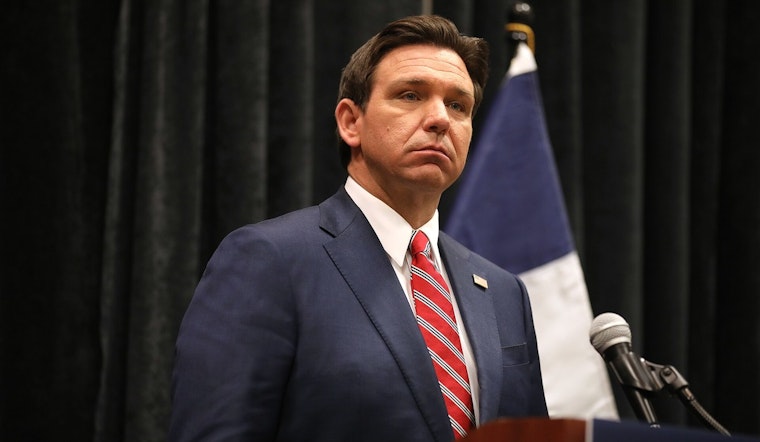
Gov. Ron DeSantis is moving to put Florida’s beaches on the fast track for repair, announcing on Thursday, March 19, 2026, that he signed new legislation he says will protect the state’s coastlines by speeding up shoreline restoration and locking in public beach access. The rollout, shared on his X account, was pitched as part of a larger effort to reinforce Florida’s tourism engine and storm defenses after a run of punishing coastal storms.
What the Governor Posted on X
In his brief social media announcement, DeSantis said he had signed legislation to protect Florida’s coastlines and claimed it would speed up coastal restoration while keeping public beach access in place, according to speed up coastal restoration. The post zeroed in on accelerating work that officials say is needed to rebuild eroded shorelines.
How It Builds on Earlier Coastal Laws
The new move tracks with coastal legislation DeSantis signed last year that gave local governments more say over beach access and cleared the way for quicker restoration projects. In June 2025 he signed Senate Bill 1622, which restored local authority to recognize customary recreational use of dry-sand beaches and streamlined restoration for qualifying Gulf Coast counties, according to the Office of the Governor.
Where the Money and Projects Come From
State leaders are pointing to the Resilient Florida grant program, along with recent budget appropriations, as the main buckets of funding for beach renourishment and coastal fortification. The Florida Department of Environmental Protection reports that Resilient Florida has awarded more than $1.8 billion for resilience projects and that the state has funneled hundreds of millions of dollars into beach renourishment since 2019, according to the Florida Department of Environmental Protection.
Reactions and Concerns
Coastal advocacy groups have largely welcomed efforts that restore local customary-use protections, while warning that the details of funding and project design will ultimately decide who benefits. Surfrider Florida has backed the 2025 changes as a tool to safeguard public beach access, according to Surfrider Florida. Critics, on the other hand, point to broader policy choices, including a 2024 law that scrubbed most references to "climate change" from state statutes, as a sign that long-term planning still faces serious obstacles, as reported by NPR.
What Comes Next
The next step is turning the new legal authority into actual projects. Local governments and state agencies will have to line up permits, engineers and funding, and communities that want renourishment work are expected to seek Resilient Florida grants along with other appropriations. Timelines are likely to differ from county to county as planning, permitting and funding cycles unfold, and the Florida Department of Environmental Protection is set to oversee much of the grant administration and coastal restoration work, according to the Florida Department of Environmental Protection.





.jpg)