

























































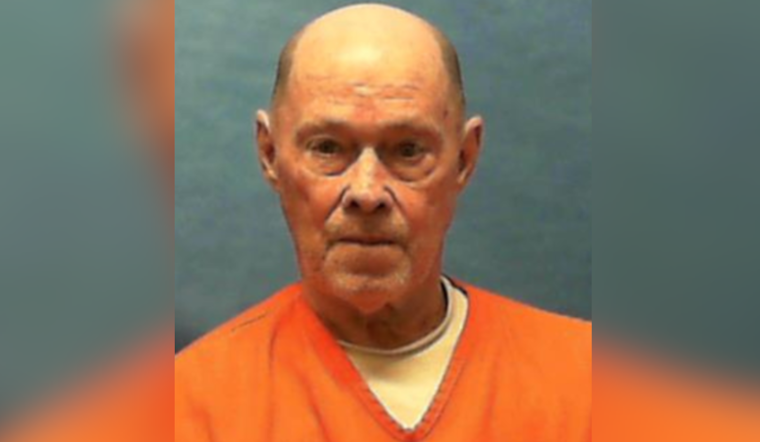
Nearly five decades after a 13-year-old girl was raped and killed in Orange County, Gov. Ron DeSantis has signed a death warrant for James Ernest Hitchcock, setting a May 7 execution date. Hitchcock, now 69, was convicted in the 1976 rape and strangulation of his brother’s stepdaughter, Cynthia Driggers, in a case that has bounced through courts for generations and become one of central Florida’s most drawn-out capital cases.
The governor’s signature and the May 7 date appear in court records posted on the Florida Supreme Court’s website, according to CBS News. The warrant specifies lethal injection as the method of execution and landed while a separate stay remained in place for another death row inmate.
Case history
Court filings state the killing took place on July 31, 1976, when prosecutors allege Hitchcock raped 13-year-old Cynthia Driggers, dragged her outside, strangled her, and left her body in nearby bushes, according to documents from the Florida Supreme Court. Hitchcock has long pushed back on key parts of that narrative; at trial, he testified that the sex was consensual and accused his brother of the murder, a claim that later courts dug into during appeals and post-conviction proceedings.
Sentencing and appeals
Hitchcock was first sentenced to death in 1977. Since then, his case has been resentenced multiple times after appeals and remands, with advisory jury votes swinging over the years from a 7-5 recommendation for death in 1988 to a unanimous 12-0 vote in 1993 and a 10-2 vote in 1996, according to Justia. The file now includes decades of motions, appeals, and post-conviction petitions that have kept the case alive on state and federal dockets.
Statewide context
The Hitchcock warrant is the seventh DeSantis has signed this year, and four of those have already been carried out, according to AP News. Florida recorded 19 executions in 2025, a modern-era high that has drawn national attention along with a steady stream of legal challenges to the state’s death penalty machinery.
Legal posture
Once a death warrant is signed, defense teams typically race to state and federal courts seeking stays and renewed review. Hitchcock’s lawyers have a long history of doing exactly that, filing post-conviction challenges and seeking additional forensic testing, according to FindLaw. Public records at the Florida Supreme Court show a thick docket of prior appeals and motions in his case that could be revived now that an execution date is officially on the calendar, as reflected in the court’s published documents.
Historic legal significance
Hitchcock’s case made national law in 1987, when the U.S. Supreme Court decided Hitchcock v. Dugger. The court held that capital sentencers may not be blocked from considering relevant mitigating evidence, a ruling that later became a key precedent for ordering new sentencing hearings, according to LII / Cornell Law. That decision helps explain why this one conviction has produced so many resentments over the years.
As it stands, Hitchcock is scheduled to be executed on May 7, 2026, unless a court steps in to pause or overturn the warrant. More filings and emergency appeals are widely expected in the coming weeks, and we will keep an eye on new entries at the Florida Supreme Court and in federal court for any change in the timeline.




