

























































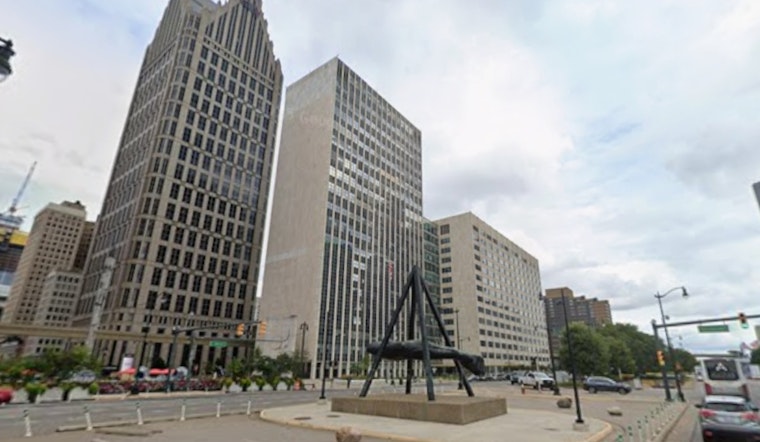
The Detroit City Council is telling City Hall to tap the brakes on big tech. Yesterday, council members urged Mayor Mary Sheffield to impose a two-year moratorium on permits for new data centers inside city limits while the city studies how these massive server farms could hit neighborhoods and public systems. Council Member Scott Benson led the push, arguing that officials need breathing room to figure out what hyperscale facilities could mean for residents, streets, and utilities. The move comes as communities across Michigan weigh similar pauses and tougher siting rules for these power-hungry complexes.
The resolution, drafted by the Legislative Policy Division at Benson's request, asks the mayor's office and departments, including Building Safety, Engineering, and Planning and Development to stop issuing new data center permits during the two-year review, according to the City of Detroit. The study is ordered to focus on grid stability, water use, noise, and economic and land-use impacts. Staff are also directed to pull together "best practices" that Detroit can use when it eventually weighs future data center proposals.
Local reporting by the Detroit Free Press detailed the council's concerns over spiking power demand, heavy water consumption, and potential neighborhood disruption. The outlet noted that the formal request landed on Sheffield's desk this week and that similar fights over data center siting are already swirling elsewhere in Southeast Michigan.
Where This Fits In Michigan
Detroit's move drops into a statewide scramble over how and where these facilities get built. A tracker maintained by WKAR News counts more than two dozen local moratoria, plus a bipartisan package of House bills that would pause new enterprise-level approvals while lawmakers hash out siting standards and utility rules. That coverage casts the whole debate as a race between fast-moving corporate projects and communities that want time to write their own protections.
Neighbors And Utilities Weigh In
Detroit is not the first local government to look for the pause button. Sterling Heights has already enacted a one-year moratorium so officials can study potential impacts, a step covered in a Hoodline report on the Sterling Heights data center freeze. At the same time, outlets including Planet Detroit have highlighted controversy around large-scale proposals, especially a hyperscale project pitched near Saline that has drawn scrutiny of utility contracts and regulatory filings. Taken together, the local blowback and the behind-the-scenes utility planning have made regulators and lawmakers central players in deciding how and whether these developments move ahead.
What Happens Next
The resolution asks Sheffield's administration to halt permit approvals while staff carry out the study and draft any needed zoning or permitting standards, with actual implementation still up to the mayor and the cooperation of city departments, according to the City of Detroit. Meanwhile, state legislation and utility planning could shape or even override local decisions, as lawmakers and regulators consider whether to set statewide rules for data center siting, a dynamic closely tracked by WKAR News. Officials, residents, and developers are now staring down tradeoffs over whether to negotiate project-by-project mitigation, lock in strict local limits, or press for broader state-level guardrails.
For Detroiters, a pause would buy time to weigh potential investment against the strain these facilities can place on power, water, and nearby neighborhoods. The council has effectively slid those choices across the table to Mayor Sheffield. Her response will determine whether Detroit joins the growing statewide pause or tries to chart its own path in the data center boom.





