

























































The Strip may still be the star of the show, but when it comes to hiring, Las Vegas is quietly rewriting its script. New industry data show education and health services have pulled into the lead as the fastest growing sectors in the Las Vegas Valley, outpacing the once untouchable leisure and hospitality industry as employers add tens of thousands of jobs. Local leaders say a wave of hospital projects, medical training programs and logistics and data center investment is already changing where the valley works.
According to analysis from the Las Vegas Global Economic Alliance, cited by the Las Vegas Review-Journal and the U.S. Census Bureau, education and health services recently added roughly 39,000 jobs, trade, transportation and utilities added about 37,200 and leisure and hospitality grew by roughly 19,000. Those shifts reflect both the long haul back from pandemic job losses and a broader, years long push to diversify the regional economy. The Las Vegas Global Economic Alliance has flagged rising payrolls in health and related training programs as central to that change.
Why Health Is Surging
The health care boom is not just on paper. It is showing up in steel, concrete and white coats. Intermountain Health has leased land at UNLV’s Harry Reid Research and Technology Park for what it calls Nevada’s first stand alone children’s hospital, a roughly 200 bed facility that Intermountain says is slated to break ground in early 2026 and will create a long term pediatric and medical footprint in the valley.
On the talent side, UNLV’s Kirk Kerkorian School of Medicine, which graduated its charter class in 2021, is starting to feed more clinicians into local hospitals and clinics just as new facilities come online. The result is a feedback loop: more training slots, more graduates who can stay in Southern Nevada and more leverage for hospital systems trying to staff up without relying entirely on out of state recruits.
Logistics And Data Centers Are Driving Trade Growth
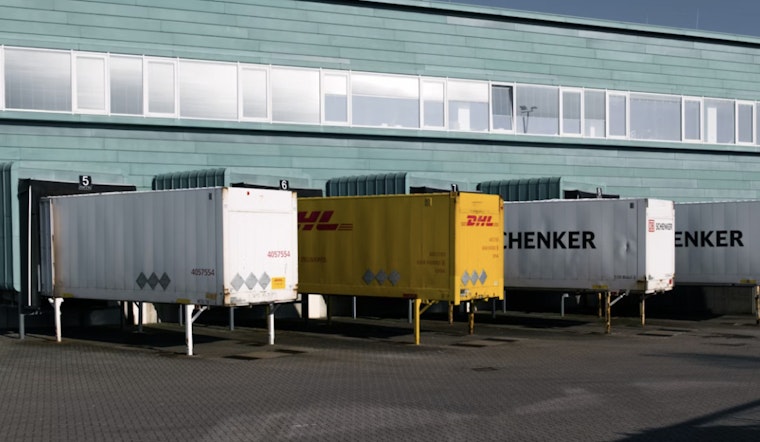
Trade, transportation and utilities are also climbing as the valley lures everything from massive distribution centers to cold storage warehouses and sprawling data campuses. The U.S. Bureau of Labor Statistics’ metro snapshot shows education, health and leisure remain among the largest employers, but goods movement occupations have expanded in recent years as the region leans into its crossroads geography.
At the same time, large tech investments, including multi billion dollar data center projects, are helping lift warehousing and support service hiring. Google and other operators point to sizable local investments that ripple into construction, trucking and services jobs across the region. In other words, when a data campus lands in the desert, it is not just servers that show up, it is a small army of electricians, drivers and maintenance crews.
What This Means For Workers And Policy
Economic leaders say this changing sector mix matters for wages, career ladders and corporate recruitment. “Workforce availability and quality of life factors including health care access and strong schools are top considerations for companies choosing where to invest,” Danielle Casey, president and CEO of the Las Vegas Global Economic Alliance, told the Las Vegas Review-Journal.
On the policy front, state lawmakers are trying to catch up to the shift. Assemblymember Rebecca Edgeworth told the paper she plans to reintroduce a bill aimed at helping Nevada trained health care workers stay in state after they graduate. Observers also note that Gov. Joe Lombardo’s sweeping 2025 health care proposal failed to advance, a reminder that what happens in Carson City can influence whether new hires put down roots in Nevada or decamp for other markets.
For workers, the upside is that many health and tech related roles tend to offer higher starting wages than traditional hospitality jobs, and they often come with clearer long term career paths. That does not mean bellhops and bartenders are going away anytime soon, only that the region is slowly adding more white coats and warehouse vests to the sea of casino uniforms.
Bottom line: the valley’s hiring map is shifting, not flipping overnight. Health, education, logistics and data center related jobs are now the clearest growth lanes. How Las Vegas expands training, builds medical capacity and fast tracks infrastructure will determine whether this wave of investment turns into durable career opportunities for local residents or a missed chance to lock in a more balanced economy.



