

























































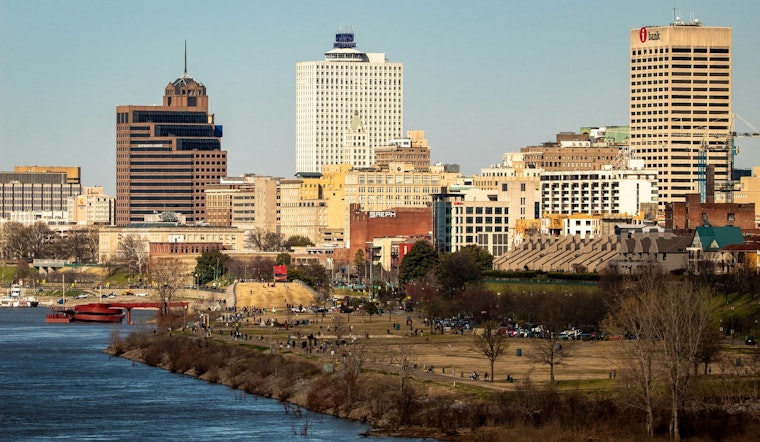
Downtown Memphis is not booming, but it is quietly grinding forward. A collection of small apartment and mixed-use projects is inching toward construction this spring even as developers and city officials keep stressing that progress is tough and slow. One of the clearest examples is a 28-unit renovation that would convert a long-derelict shell at 193 Pine Street into market-rate apartments. At the same time, design-focused work in the Edge District and upgrades along the riverfront are shifting where developers see opportunity. City staff and builders say that keeping a pipeline of projects matters, but financing gaps, approvals and neighborhood realities mean change will come in steady, incremental steps rather than big leaps.
193 Pine Street: From eyesore to apartments
The plan for 193 Pine Street calls for a three-story rehab with 28 units that mix studios, one-bedrooms and two-bedrooms, along with limited on-site parking, according to the Design Review Board. The report notes that construction is expected to start in Q1 2026 and finish by the end of 2026, helped along by a 10-year PILOT that fills part of the financing gap. City staff frame the project as a way to activate a blighted parcel half a block off Union Avenue and to better connect the medical district with the Central Gardens neighborhood.
Design partners and small bets
Local players are doing much of the heavy lifting. cnct. design, for one, has been both architect and investor on a run of Edge District conversions and was recently spotlighted by the Downtown Memphis Commission for its small-scale investments that layer in retail and housing. Those projects, mostly renovations, facade improvements and ground-floor commercial rehabs, follow a playbook that favors steady, organic growth instead of big speculative towers, according to the commission.
Infrastructure and incentives underpin progress
City-led infrastructure work has made some locations more appealing to builders. Along Riverside Drive between Georgia Avenue and Beale Street, the city reconfigured the road into two lanes with new back-in parking and a more pedestrian-friendly layout to improve access to the riverfront, as detailed by the City of Memphis. Incentives help too, but only to a point. The Downtown Memphis Commission’s COO told the Daily Memphian that while the organization is enthusiastic about projects in the pipeline, getting deals to the finish line in the neighborhood remains challenging. Those mixed signals modest public investments on one side and persistent market friction on the other help explain why most of the momentum shows up as incremental change.
What it means for downtown housing
Taken together, rehabs like 193 Pine and a string of storefront-to-residential conversions are adding modest numbers of units and more active ground floors that can subtly shift how blocks feel without relying on a single skyline-defining tower. The Downtown Memphis Commission projects database lists hundreds of active and planned developments across the core, underscoring how broad the pipeline is even if most efforts are relatively small. In the near term, downtown’s housing story is likely to be written block by block, as these smaller bets test whether they can pull in tenants and follow-on capital that would help the recovery stick.



