

























































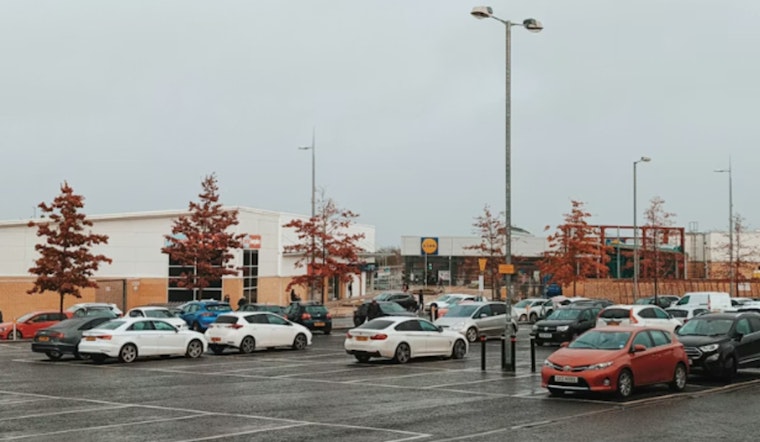
A new study says downtown San Antonio is not the parking nightmare many locals swear it is, even on packed Fiesta nights. At the same time, the analysis flags a potential multi-thousand-space crunch if a future downtown Spurs arena and other major venues all come online without changes, forcing planners to choose between expensive new garages or a mix of tech upgrades, pricing tweaks and shuttles. That tradeoff is already shaping early design and financing talks for a proposed sports and entertainment district.
Study Finds More Spots Than People Think
Commissioned by Centro San Antonio and the city, the report is the first full downtown parking analysis in about a decade and concludes that spaces are available even during peak stretches like Fiesta. Researchers found peak occupancy during last year’s Fiesta was about 53%, identified a surplus of more than 6,000 spaces within walking distance of the planned Missions ballpark and warned that a worst-case scenario around a future Spurs arena could leave a deficit of more than 6,600 spaces.
The report recommends beefing up management and information systems instead of assuming the answer is more concrete. Real-time availability tools and license-plate-recognition systems are among the options, with an estimated price tag of roughly $10 million to $15 million. “Downtown is on the rise, and we want people to know that parking is not a barrier for them to enjoy the urban core,” Centro president and CEO Trish DeBerry said in a statement to Axios.
Tech Over New Lots
Instead of immediately calling for a wave of new garages, the study leans on technology, pricing and clearer wayfinding as the first moves. Centro’s request for proposals for the analysis specifically asked consultants to look at smart meters, parking apps and real-time occupancy tools, a sign that local leaders were already open to a tech-forward approach.
The city already runs a mix of affordable and free programs, including “Downtown Tuesday” free parking in city-owned garages, that planners say could be expanded as part of a broader management strategy, per the City of San Antonio’s SAPark information.
Arena Math: Tradeoffs And Timing
Those numbers complicate the arena debate. Planners now have to weigh whether a single big building program for garages or a layered strategy that includes reserving spots, dynamic pricing, shuttles and better wayfinding makes more sense once final arena designs and event schedules are set.
City, county and Spurs leaders signed a nonbinding MOU last year to study a downtown sports and entertainment district and will fold these parking findings into financing discussions and site plans as negotiations move ahead, according to a Bexar County release about the MOU.
Price And Perception
Even with open spots, downtown parking often feels scarce because private lots and garages can get pricey. That perception problem is not imaginary. The Express-News has reported that many downtown spaces are privately owned and expensive, while city-owned garages tend to be cheaper. It is a mix city planners have to juggle as they consider how a new arena might affect everyday customers and workers, not just game-night crowds.
The tension between actual supply and perceived inconvenience is a big reason the study stresses tools that make spaces easier to find and pay for. In other words, the headache might be less about the raw number of spots and more about how clearly drivers can see and use what is already there.
What’s Next
Centro and city staff say the study will feed into design work and upcoming City Council talks on infrastructure, incentives and potential voter measures tied to a venue tax or bonds. The RFP timeline and Centro’s stated objectives show officials want the analysis to guide near-term decisions on whether to pour money into new parking structures or into systems that squeeze more value out of existing downtown supply, as KSAT reported when the study was launched.





