

























































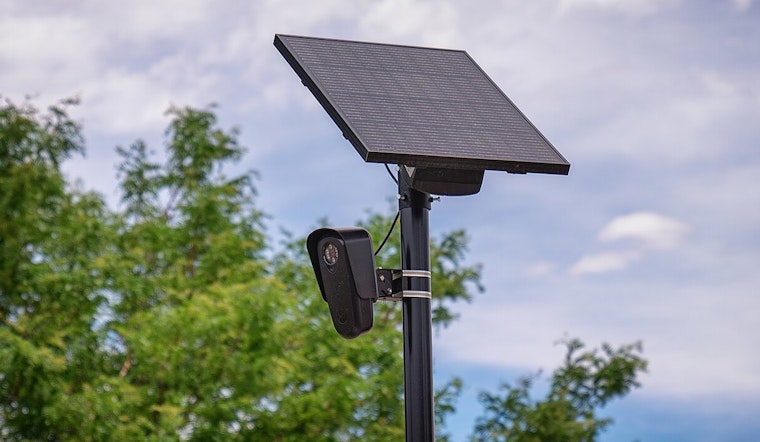
The Dutchtown Community Improvement District board has pulled the plug on its contract with Flock Safety, voting this week to remove eight license-plate-reading cameras months before the agreement was set to expire in June. The move follows mounting public pressure and national reporting about federal access to Flock networks, which neighbors say could put immigrant residents at risk. Board leaders insist the district’s data was never shared, but residents pushed for a full cut-off anyway. The CID is seeking about $7,000 back for the unused months on the contract.
The decision was first reported by First Alert 4, which noted the board voted to terminate the deal and request a refund. According to the station, the district had eight Flock cameras positioned across its footprint. Board chair Caya Aufiero told the outlet the cameras were meant strictly to help monitor possible criminal activity and said the district’s data "was not shared."
Longtime resident and CID secretary Ann Smart told First Alert 4 that national stories about federal immigration access left her uneasy for her neighbors. "This is all new territory for us; we're not used to having ICE on the streets, coming to get our neighbors," Smart said. Aufiero acknowledged it can be difficult for residents to distinguish Dutchtown’s rules from what they hear about other places using similar technology.
Why Neighbors Raised The Alarm
Local organizers launched an online petition calling on the CID to scrap the Flock deals over what they described as the company’s data links to federal immigration authorities, according to a public petition on Change.org. Those worries mirror findings from a 2025 report by the University of Washington Center for Human Rights, which documented ways federal agencies were able to query automated license plate reader networks. That research has helped spur other cities to rethink their own contracts.
National Scrutiny Has Spurred Changes Elsewhere
Across the country, investigations and audits showing federal or out-of-state searches of ALPR data prompted Flock to pause certain federal pilot programs, as reported by the Associated Press. In a public statement, the company said it tightened controls and labeling around federal queries. Privacy advocates counter that persistent audit gaps and the way the network is built still leave communities exposed to unexpected access, a criticism Flock has disputed in its reply.
What Happens Next In Dutchtown
The cameras went up as part of a Connected Dutchtown safety initiative. Board records list eight Flock devices on the CID footprint and another awaiting city permits, according to Dutchtown CID minutes. The City of St. Louis calendar shows upcoming CID meetings, with the board slated to meet on March 24, and the district says the cameras will be shut off before the contract officially ends in June, per the City of St. Louis.
Legal And Privacy Questions
Researchers say national ALPR systems can open the door to both direct and indirect access by federal agencies, while a string of audits and court decisions has ramped up pressure on local governments to spell out how long they keep plate data and who can see it, according to reporting by KUOW. Concerns about those gray areas, and the potential fallout for immigrant and other marginalized residents, have already driven reviews, suspensions, and cancellations of ALPR programs in communities around the country.
In Dutchtown, leaders say safety is still a top priority, but the Flock vote shows the neighborhood is rethinking how far it wants automated license-plate readers to go. The CID’s decision now becomes one more local chapter in the broader fight over who controls vehicle-tracking data and how cities balance crime prevention with privacy and civil liberties.





.jpg)