

























































El Cajon’s elementary schools are showing their age, with leaking roofs, failing plumbing and years of deferred maintenance that principals and parents say are getting harder to ignore. Voters have rejected districtwide facilities bonds in recent elections, so trustees are now hunting for smaller, more targeted ways to raise money. At a tense school board meeting this month the district signaled it might pivot to a neighborhood-by-neighborhood strategy instead.
Board moves toward SFIDs
At its March meeting, the board passed a resolution of intent to subdivide the district into school facilities improvement districts, and it is slated to consider bond measures for three of those subdistricts in April. Trustees are also weighing shorter, 10-year bonds instead of the more common 20- or 30-year terms, in an effort to cut interest costs on near-term financing, as reported by The San Diego Union-Tribune.
What an SFID does
School facilities improvement districts, or SFIDs, let a school district form smaller tax zones so only voters inside a subdistrict approve and pay for a bond whose proceeds can be spent only inside that area. The mechanism is written into state law and lays out the process for forming an SFID and holding bond elections within that smaller territory, according to the California Education Code.
Why the district is trying this
Cajon Valley’s most recent districtwide bond, Measure W on the November 2024 ballot, won a majority but fell short of the 55 percent threshold required for passage. Official state vote tallies show Measure W received roughly 52.3 percent of the vote, one of multiple failed facilities attempts that have left district campuses waiting for major repairs. See the official counts in the California Elections Data Archive.
District scale and local needs
The Cajon Valley Union School District serves nearly 18,000 students across El Cajon and nearby rural neighborhoods, so any financing gap ripples across a lot of classrooms. The San Diego County Office of Education lists the district’s enrollment at more than 18,000 students, underscoring the scale of the maintenance backlog.
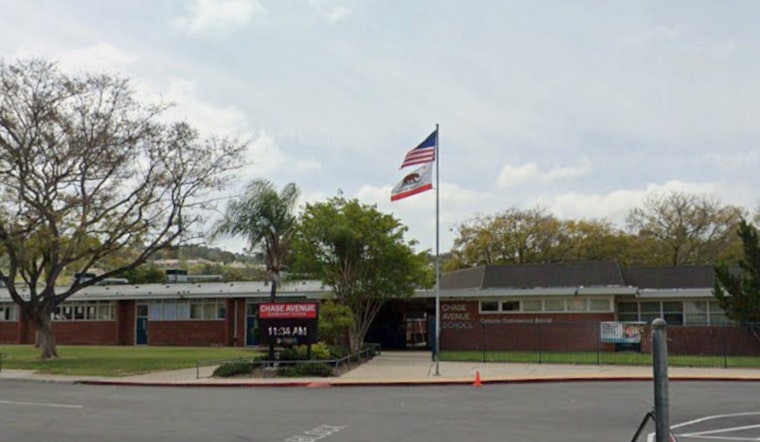
At Chase Avenue
At Chase Avenue Elementary, where officials estimate more than $22 million in repairs are needed, Principal Johnny Heredia told the paper that some of the campus shelf life is 50 years, pointing to aging infrastructure that cannot be fixed piecemeal. A district official, Lily Schworm, told The San Diego Union-Tribune that a shorter, 10-year bond could save "a significant amount" in interest compared with stretching repayment over decades.
Pros and cons
Supporters say SFIDs let voters in more prosperous pockets approve smaller, targeted bonds that actually pass, a lesson some nearby districts have applied with success. Critics worry SFIDs could leave lower-assessed neighborhoods behind, creating a patchwork of well-funded campuses next to schools that still lag. The board will face pressure to craft maps, oversight and safeguards that keep money raised in one area from creating wider inequities.
Trustees will take up the three proposed SFID bond calls in April. If they move forward, the district will begin the public hearings and mapping steps required by state law. The coming weeks will test whether municipal-finance workarounds can finally clear the political hurdles that have kept big, districtwide funding out of reach for years.



