

























































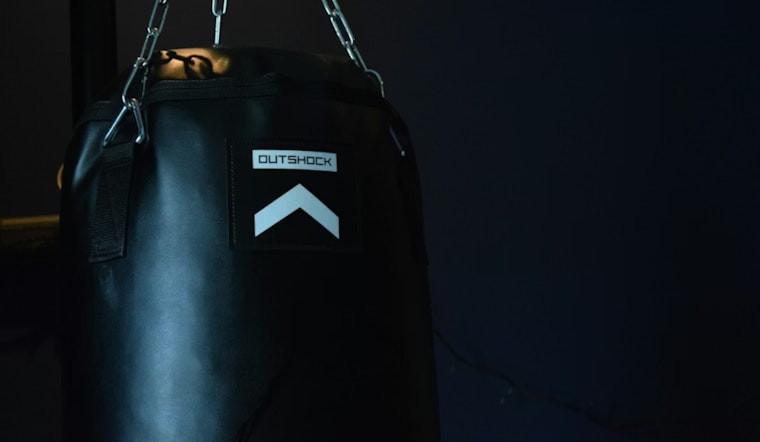
For El Paso residents flirting with high blood pressure, a new study out of UTEP suggests you might want to swap the treadmill for the heavy bag. A randomized trial led by researchers at The University of Texas at El Paso and partner institutions in Chile found that six weeks of boxing-style heavy‑bag training produced clinically meaningful drops in blood pressure among young adults with elevated readings. Volunteers who trained like boxers three times a week saw both systolic and diastolic pressure fall by amounts physicians usually consider significant, adding a time‑efficient and popular workout option to the toolkit for early hypertension management.
As reported in the journal Sports, the randomized trial enrolled 24 adults with an average age of about 25 and split them into a boxing group and a low‑intensity control group. The boxing participants trained three times per week for six weeks, completing ten three‑minute rounds on a heavy bag or working mitts with one‑minute rests between rounds. The control group did flexibility and balance work on the same schedule. On average, the boxing group logged reductions of roughly 16 mmHg in systolic blood pressure and about 10 mmHg in diastolic pressure, along with improvements in central systolic pressure and in endothelial function in both arms and legs.
Local researcher Alvaro Gurovich, who runs UTEP’s Clinical Applied Physiology lab, told KTSM that boxing training appears to improve how blood vessels function, which can translate into a lower risk of heart attack and stroke over time. The study reported no adverse cardiovascular events during any of the supervised sessions. Coverage has quickly zeroed in on both the size of the blood pressure drop and how short and practical the program looks for everyday people.
What the numbers mean
Reductions in the range of 10 to 16 mmHg are not just nice to have; they are clinically important. A large systematic review found that a 10 mmHg fall in systolic blood pressure is tied to substantial reductions in coronary heart disease and stroke. According to a pooled analysis in PLoS Medicine, a 10 mmHg systolic difference has been associated with major cuts in heart attack and stroke risk across multiple trials. That backdrop helps explain why researchers see the boxing results as promising for keeping borderline blood pressure from turning into something more serious.
Study limits and next steps
The authors are quick to point out that the trial was small, short, and focused on younger adults, so the findings may not directly apply to older people or to those with long‑standing hypertension. They also flagged a big adherence gap between groups, with boxing participants showing nearly full attendance while the control group skipped more sessions, which could skew results. The team is calling for larger and longer trials to find out whether heavy‑bag training keeps blood pressure down over time and how it compares with standard exercise prescriptions, as detailed in Sports.
How El Pasoans should think about it
The trial came out of UTEP’s Clinical Applied Physiology lab in the College of Health Sciences, which focuses on exercise and vascular health. For El Pasoans eyeing a boxing‑style workout after reading the headlines, clinicians and certified trainers advise starting with supervised classes and checking in with a primary care provider if you already have elevated blood pressure or other health issues. Researchers say the study highlights an engaging and time‑efficient exercise option, but they also stress that it should not replace prescribed treatments without guidance from a healthcare professional.





