

























































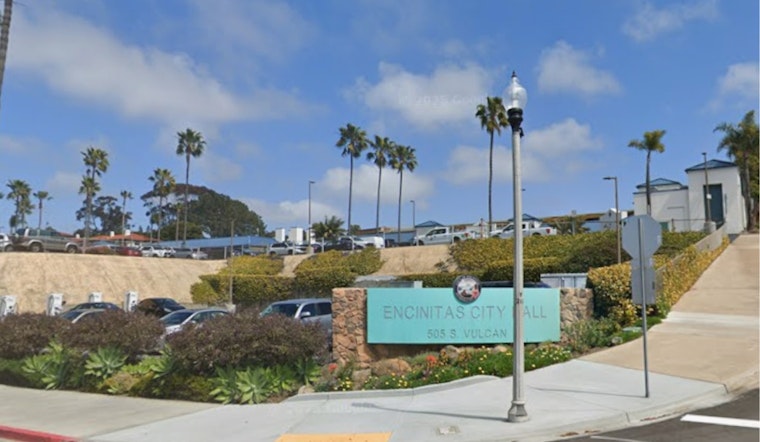
Encinitas homeowners and businesses that keep setting off fire alarms for no good reason are about to feel it in their wallets. The Encinitas City Council voted unanimously this week to sharply increase many of the fees tied to false or accidental fire alarm activations, targeting properties with repeat problems in order to cut down on avoidable calls and keep firefighters available for real emergencies.
New fee schedule and council vote
Under the revamped fee schedule, the first two alarm activations in a 12-month period remain free. After that, the price of repeated false alarms climbs quickly: a third unnecessary activation will cost $75, a fourth $150, a fifth $250 and six or more $500 each. Council members said the steeper ladder of fees is intended to prod both property owners and alarm companies into fixing chronic issues instead of leaning on public resources.
As reported by The San Diego Union-Tribune, Mayor Bruce Ehlers summed up the goal during the council’s discussion, saying of serial false alarms, it’s a behavior we want to curb.
Legal basis and how fees apply
City law already gives Encinitas the authority to treat repeat false alarms as a nuisance. Any alarm that goes off more than twice within a 12-month span can trigger a nuisance-alarm fee, and the council sets the actual dollar amounts by resolution. The same section of code lets the city send administrative bills to offenders and, if problems continue, yank the alarm permit altogether.
According to the Encinitas municipal code, a permit can be revoked after multiple nuisance alarms within a 360-day period, meaning stubborn repeat offenders risk losing their automatic emergency response and paying higher fees.
What prompted the hike
City staff told the council that the Encinitas Fire Department rolled on nearly 500 false alarm calls in 2025, a steady stream of non-emergencies that tied up crews and helped trigger the fee overhaul. Staff singled out four locations that each logged six or more unnecessary activations last year: Aviara Healthcare Center, San Dieguito High School Academy, Scripps Memorial Hospital Encinitas and the Seacrest Village retirement communities.
In a staff analysis cited by The San Diego Union-Tribune, officials estimated that if the new rates had been in place in 2025, the city would have collected more than $12,000 in additional revenue from those nuisance alarm calls.
How Encinitas compares
Encinitas is not the only North County city that bills for repeat false alarms, although the details can look very different from place to place. Carlsbad’s master fee schedule, for instance, lists a $40 charge for a second false-alarm response and $75 for each activation after that.
Local officials say each city tries to walk the same tightrope: recovering some of the real costs of sending fire crews to non-emergencies without scaring people away from using alarm systems for genuine fire risks. Thresholds and dollar amounts may vary, but the basic message remains the same. False alarms are part of doing business. Habitual false alarms are not.
Consequences for repeat offenders
The penalties in Encinitas extend beyond the rising fee schedule. As detailed in the Encinitas municipal code, the city can revoke an alarm permit after a pattern of nuisance activations, cutting off automatic emergency response for chronic offenders who fail to clean up their act.
City leaders say that pairing that kind of enforcement with steeper fees should be enough to get the attention of property owners and alarm companies that let systems repeatedly misfire. For those who believe they were billed in error, the city’s administrative procedures allow property owners to challenge charges through established appeal channels.
What to expect next
The higher fees take effect under the council’s resolution and will be reflected in the city’s regular billing cycle. Property owners can contact the city clerk or fire prevention staff for details on how the new costs apply to their permits and how to file an appeal if they disagree with a charge.
Officials say they plan to watch the numbers on false alarms and will revisit the policy if the tougher fee structure causes problems they did not intend. For now, though, the council has made its stance plain: if your alarm keeps crying wolf, it is going to cost you more than it used to.





