

























































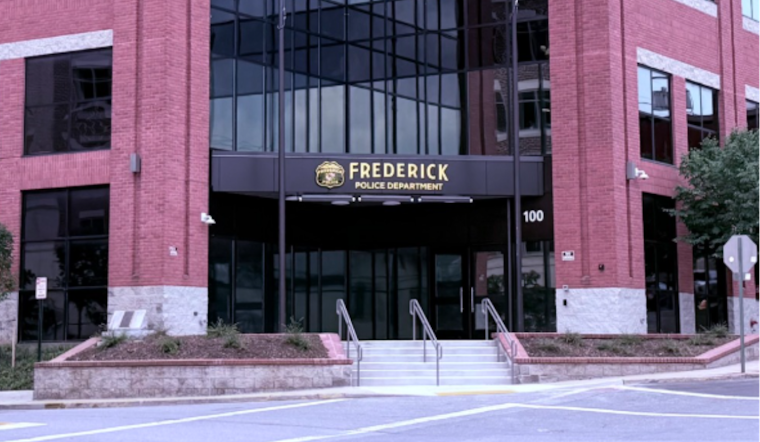
Scammers are working the phones in Frederick, pretending to be law enforcement, claiming you missed federal court or have an active warrant, and then demanding immediate payment to “fix” the problem. Local officials say every bit of that payment talk is bogus and stress that real officers will not call you out of the blue to ask for money. Residents are being urged to keep personal and financial details off the phone, hang up on suspicious callers, and report the scams so investigators can spot patterns. Authorities are especially concerned that older or more isolated residents could feel pressured and pay up before they have a chance to double-check the story.
What officials are saying
According to WFMD, the Frederick Police Department reports that scammers are reaching people by phone and text, spinning tales about missed federal court dates or outstanding warrants, then demanding money for supposed bail. The department is blunt about it: these payment demands are fraudulent, and residents should refuse to send money or share sensitive information. Anyone who receives one of these calls is urged to contact local law enforcement so detectives can document the attempt and follow up.
State guidance and practical tips
In a March 11 news release, the Maryland State Police warned that impersonators sometimes use the name of a real officer or spoof a local number on caller ID to make the call sound legitimate, even though no law enforcement agency will call to demand money. The release outlines several safety steps: never provide payment or personal identifying information over the phone, independently look up the phone number for the unit the caller claims to represent and call that office directly, and alert your bank or other financial institutions if you have already shared account details. The Maryland State Police also directs victims to file complaints with the FBI’s Internet Crime Complaint Center at ic3.gov and notes that the full release is available online.
How the scam typically works
These callers often lean hard on urgency and fear, pushing targets to pay with gift cards, prepaid “Green Dot” cards, wire transfers, or cryptocurrency, and sometimes walking victims step by step through the redemption or transfer process. CBS Baltimore reported a Frederick-area case in 2021 in which scammers used spoofed local numbers and insisted on gift card payments, in some instances persuading seniors to hand over large amounts of money. Officials say that a mix of a familiar-sounding name or local number, plus intense pressure to act fast, is what makes these schemes feel so convincing.
What to do if you get a suspicious call
Officials say the safest move is to hang up and contact the agency directly using the phone number listed on its official website, not any number given by the caller. The City of Frederick’s advisory notes that residents can report scam calls to the Frederick Police Department at 301-600-2102 and urges people not to click links or respond to suspicious texts, with more details in the city’s notice. Consumer protection materials from the Federal Trade Commission reiterate that government agencies do not call to demand immediate payment and encourage people to file fraud reports through the FTC site at reportfraud.ftc.gov if they suspect a scam.
The FBI reports that government-impersonation schemes remain common across the country and advises people to treat any unsolicited demand for money with skepticism, then report it so law enforcement and federal partners can monitor trends. Local and state officials are urging residents to share these warnings widely, especially with older family members and neighbors, saying that getting the word out is one of the strongest defenses against these scams.





