

























































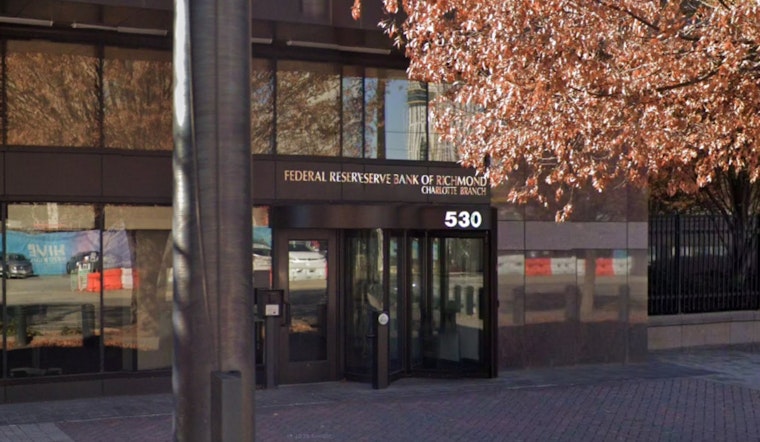
Federal regulators today, said the Federal Reserve had finally shut the book on the last federal consent order tied to Wells Fargo’s fake-accounts scandal, ending a stretch of public oversight that ran for nearly a decade. The 2018 enforcement action had forced the bank to prove it had tightened governance and risk management after thousands of unauthorized accounts were opened. The decision lands close to home: Charlotte, where Wells Fargo employs roughly 27,000 people, will be watching closely for any ripple effects on jobs and regional operations.
What the Fed said
In a press release, the Federal Reserve Board confirmed it had terminated the 2018 enforcement action after concluding Wells Fargo had “met all required conditions.” Under that order, the bank had to demonstrate that fixes to its governance and risk-management program were actually working and that two independent third-party reviews were completed. The Fed described that remediation effort as stretching across nearly a decade.
Wells Fargo's response
Wells Fargo acknowledged the termination in a brief company news release, saying the 2018 consent order covering governance oversight, compliance and operational risk management had been lifted. The bank did not elaborate beyond noting its roughly $2.1 trillion in assets and presenting the move as one more step in a long-running remediation campaign by management.
How the scandal unfolded
Regulators have traced the 2018 enforcement action back to the fake-accounts scandal that came to light in 2016, when community-bank employees opened millions of unauthorized or fraudulent accounts. The misconduct was documented by the Justice Department and other agencies, and in 2020 the bank agreed to pay roughly $3 billion to resolve criminal and civil investigations tied to those sales practices, according to the Department of Justice. Local coverage has repeatedly pointed to the company’s sizable Charlotte presence, as reported by the Charlotte Observer.
Asset cap and the last steps
The 2018 Fed action also imposed an unprecedented $1.95 trillion cap on Wells Fargo’s asset growth. That growth restriction was lifted in June 2025, after a separate review of the bank’s remediation work. The Fed said that decision reflected the bank having met the conditions required to remove the cap. Federal Reserve officials described the cap’s removal as a crucial step toward winding down the remaining enforcement obligations.
Recent penalties and lingering enforcement
Other regulators have kept up their own actions. The Office of the Comptroller of the Currency last year ordered three former Wells Fargo executives to pay a combined $18.5 million, and the OCC had already imposed civil penalties and prohibitions on several former senior leaders linked to the sales-practices period. The OCC said those moves resolved outstanding individual enforcement matters tied to the misconduct.
What this means locally
With the Fed’s final public consent order now off the books, analysts and industry outlets say Wells Fargo is free of consent orders for the first time in roughly 15 years. That milestone could open the door for strategic priorities that had been put on ice. Coverage from Bloomberg Law and trade press noted that the move removes a visible constraint on the bank’s expansion plans, a development that Charlotte’s banking workforce will be dissecting in the months ahead.
Critics and next steps
Not everyone is cheering the swift end to the oversight era. Lawmakers, including Sen. Elizabeth Warren, pressed regulators last year to keep growth limits in place until Wells Fargo could show it could manage big-bank risks. That warning shot still hangs over the conversation as Wells Fargo steps into life after consent orders, as Reuters reported.
Legal implications
Ending the Fed’s last public consent order does not wipe away earlier settlements or individual sanctions, and civil lawsuits and regulatory scrutiny tied to the bank’s sales practices and other historical failures could continue. Observers say the bigger test comes next: whether Wells Fargo can maintain independent governance and risk controls over time so that regulators, customers and lawmakers decide the reforms are not just on paper but are built to last.





