

























































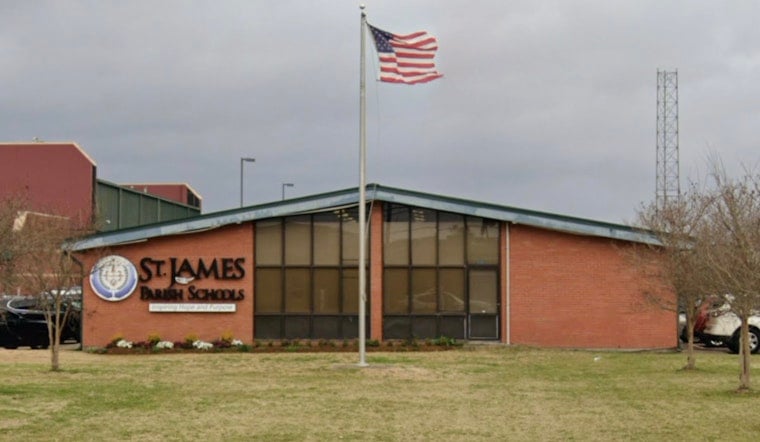
Nearly six decades after a desegregation lawsuit first hit federal court, a judge in New Orleans says St. James Parish schools still are not where the law expects them to be. In a ruling this week, U.S. District Judge Darrel James Papillion found that the system remains partially segregated despite a 2017 consent order that was supposed to unwind the parish’s legacy of de jure segregation. The judge ruled that the district has failed to comply with parts of that order, kept the long-running case open and left federal oversight very much in play for the river parish.
Judge's finding and the immediate result
In his decision, Judge Papillion pointed to lingering "remnants of segregation" in the system and flagged at least one campus where the student body is more than 95 percent Black. As reported by WBRZ, the court also rejected the school board’s effort to shut the case down entirely. That coverage, citing The Advocate, describes the scope of Papillion’s ruling and underscores that the board did not secure the clean break from court supervision it was hoping for.
What the 2017 consent order required
The 2017 consent order, negotiated by the plaintiffs and the district and then approved by a federal judge, laid out a roadmap for getting St. James to constitutional compliance. It required concrete steps to further integrate three historically Black schools and to address student assignment, faculty and staff placement, facilities, discipline and access to extracurricular activities. The signed agreement, posted by the U.S. Department of Justice, spells out each of those obligations and ties them to the long-standing goal of bringing the district to “unitary status” under desegregation law.
How the case got here
The fight over St. James Parish schools began with a private lawsuit filed in December 1965. That case led to a federal desegregation decree in 1967 and years of follow-up activity as the courts periodically checked on compliance. Court records on Justia trace the long docket history, including motions over unitary status, discovery disputes and recurring court supervision. Those filings show how the parties eventually arrived at the 2017 settlement and why enforcement issues have continued to surface since then.
What the numbers say about local schools
Recent reporting has zeroed in on the racial breakdown inside specific schools. One campus in particular, singled out in the judge’s order, enrolls a student body that is more than 95 percent Black, which the court said reflects persistent vestiges of segregation. WBRZ notes that the 2017 consent order focused on three schools that remained racially identifiable, putting the parish on notice that those patterns had to change. Education advocates argue that when schools are racially isolated, it often goes hand in hand with uneven access to advanced coursework and extracurricular offerings.
Legal implications and next steps
By keeping the case alive, the court preserved the plaintiffs’ ability to push for more aggressive remedies and kept the district under a federal microscope. Recent docket entries and an August 21, 2024 magistrate order, posted on Justia, show that fights over discovery, unitary-status motions and compliance are still working their way through the system. How those disputes shake out will help determine whether the court orders new steps on student attendance zones, staff assignments or other district policies to bring St. James in line with the consent order.
Context and community reaction
The 2017 agreement did not appear out of thin air. It was hammered out with help from civil-rights groups, including the NAACP Legal Defense Fund, which has documented the parish’s remaining racial isolation and pushed for remedies on behalf of Black families. The Department of Justice hosts the signed consent order and related documents, outlining the legal framework the court is still enforcing. For parents and residents in St. James Parish, the latest ruling signals that federal scrutiny of how and where children are assigned to school is not going anywhere in the near term, and that the decades-old desegregation case continues to shape daily life in the district.





