

























































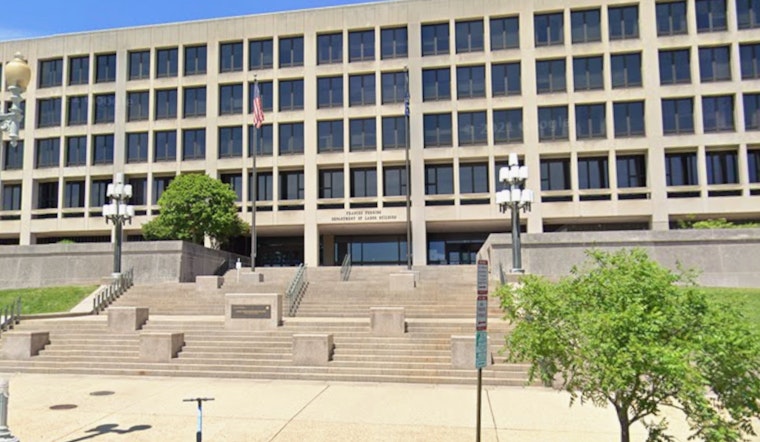
The Department of Labor has rolled out a draft rule that would let 401(k) plans slip more exotic investments into Americans' retirement accounts, including private equity, private credit and even cryptocurrencies. If finalized, the rule would spell out how plan fiduciaries can add these alternative assets, and what due-diligence steps they must take, in exchange for a legal safe harbor. That would give plan committees a clear, documented pathway while exposing ordinary savers to products that are typically less liquid, harder to value and more expensive than the mutual funds they use today. The push follows a White House drive to "democratize" access to private markets for defined-contribution plans.
According to Reuters, the proposed guidance tells trustees they must "objectively, thoroughly, and analytically consider" factors such as performance, fees, liquidity, valuation, benchmarks and complexity before adding an alternative asset. Committees that follow that checklist would receive safe-harbor status, a direct attempt to blunt the risk of ERISA lawsuits against employers and plan sponsors.
What the Rule Would Do and Where It Came From
The DOL filed the proposal with the White House's regulatory reviewers under RIN 1210-AC38. Government records show it landed at the Office of Management and Budget on Jan. 13, 2026, for interagency review. The rulemaking responds to President Trump's Aug. 7, 2025 executive order directing agencies to clarify how private-market and digital investments could be offered inside defined-contribution plans, including 401(k)s. The filing is logged on Reginfo.gov. After OMB signs off, the proposal is slated for publication in the Federal Register and a public comment period, which observers say typically runs 30 to 60 days, per NAPA-NET.
Who Stands to Win and What It Could Mean
Industry watchers say opening 401(k)s to alternatives could channel a serious stream of retirement savings toward heavyweight private-market firms like Blackstone, KKR and Apollo, as reported by Reuters. The draft cites the rise of private credit and other non-traded vehicles, now roughly a 2 trillion dollar industry. Backers argue that carefully managed access could help diversify long-term portfolios. Skeptics counter that the same features that make these assets attractive to big institutions - long lockups and opaque pricing - could spell trouble inside daily-valued retirement plans.
Industry Reaction and Safeguards
Trade groups for alternative asset managers largely applauded the proposal, while quickly calling for guardrails. The Managed Fund Association released a set of principles that back broader access but emphasize strong protections along with clear standards for fees and liquidity. The Investment Company Institute said it plans to work with policymakers and plan sponsors as the rule moves forward. Both groups argue that clearer rules could ease legal uncertainty for employers without sacrificing participant protections.
Legal and Investor Risks
Legal experts caution that even a well-crafted safe harbor will not magically solve the day-to-day challenges of valuing illiquid holdings or meeting the constant redemption and transfer requests that come with defined-contribution plans. Employers and recordkeepers have spent years asking for exactly this kind of shield from liability, but they may still struggle with the mechanics. Observers also flag cryptocurrency as a standout risk, given its extreme volatility. Earlier moves to loosen crypto restrictions in retirement accounts drew warnings from advisers about custody problems and wild price swings, as covered by Bloomberg Law. How courts interpret the DOL's checklist, and whether recordkeepers, insurers and employers can actually implement it, will ultimately decide how durable that safe harbor really is.
Next up: once OMB clears the proposal, the DOL will publish the rule in the Federal Register and open the public comment period. That window will be the main chance for stakeholders to press for operational details and legal clarity. Industry groups and large plan sponsors are already drafting comment letters and sketching out pilot designs. Even if the final rule lands in their favor, insiders expect any rollout to be gradual as systems, valuation methods and custody arrangements are tested in real time. The likely review schedule and comment dynamics are laid out in analysis from Mondaq.





