

























































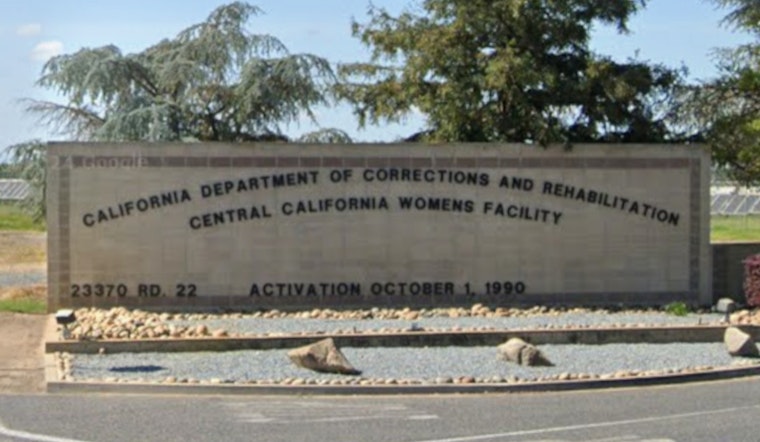
Federal civil-rights investigators are zeroing in on two California women’s prisons after allegations that the state’s practice of housing transgender inmates in female facilities contributed to sexual assaults, including alleged rapes, of incarcerated women. The Justice Department announced the probe on March 26, 2026, targeting the Central California Women’s Facility in Madera County and the California Institution for Women in San Bernardino County, as part of a broader review that also reaches a women’s facility in Maine.
What the Justice Department Says
In a press release, the department said it is examining whether state policies that place inmates in facilities consistent with their gender identity have created unconstitutional risks to women, language detailed by the AP. Federal officials said the allegations involve “sexual assaults, rape, voyeurism and a pervasive climate of sexual intimidation due to the presence of males in the women’s prison.” Assistant U.S. Attorney General Harmeet K. Dhillon was quoted as saying the agency “will not allow women incarcerated in jails or prisons to be subject to unconstitutional risks of harm from male inmates.”
California's Policy And How Placements Are Made
At the center of the scrutiny is California’s 2021 law, Senate Bill 132, which allows incarcerated people to request housing that matches their gender identity and directs the California Department of Corrections and Rehabilitation, or CDCR, to review each request case by case. As outlined by the California Department of Corrections and Rehabilitation, a multi-disciplinary classification committee evaluates those requests, weighing factors such as criminal history, medical and mental-health needs, custody level and security concerns. The law also permits CDCR to deny transfers for management or safety reasons and gives incarcerated people an internal appeals process if their request is turned down.
Legal Stakes And Precedent
Federal civil-rights investigations of prison systems can end in a range of outcomes, from negotiated policy changes to court-ordered monitoring or consent decrees, if investigators conclude there are systemic violations. A recent example came when a federal judge approved a consent decree requiring independent oversight and substantial settlements after prolonged staff-on-inmate sexual abuse at the Federal Correctional Institution in Dublin, illustrating the kind of enforcement tools the Justice Department can seek, as reported by the AP.
Reaction And Next Steps
The unfolding investigation quickly jumped to the national stage, landing on the New York Post’s March 27 cover, while state officials publicly pushed back as federal investigators began gathering records and testimony, according to the New York Post. CDCR maintains that it is cooperating with federal inquiries and remains committed to inmate safety. Advocates on all sides of the debate are watching to see whether the probe results in criminal charges, changes to policy or court-enforceable oversight. For now, investigators have not released details about specific allegations, and the inquiry could stretch on for weeks or months as documents are reviewed and witnesses are interviewed.





