

























































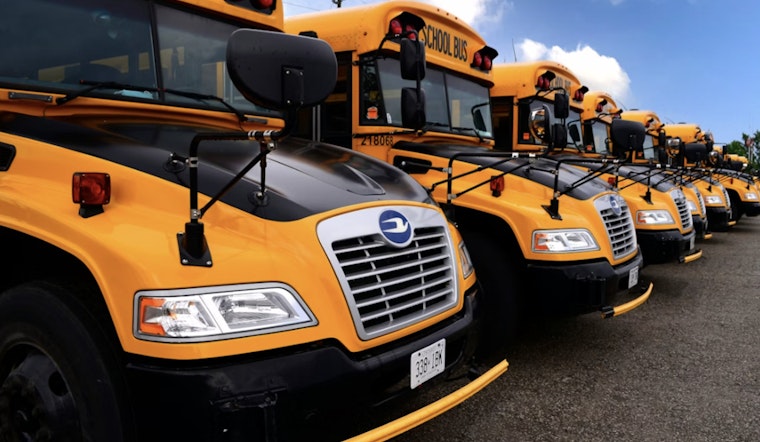
Federal money that St. Louis-area school districts were banking on to replace diesel buses with electric models has vanished midstream, leaving some clean-transportation plans stuck in neutral and a pile of unpaid bills in its wake.
District leaders say they were promised vehicles and charging stations under a multibillion-dollar federal program, but many of those buses never showed up and invoices for charging work are sitting in limbo. Families, transportation directors and vendors are now juggling disrupted timelines and a basic, uncomfortable question: who is actually going to pay for all of this.
Post-Dispatch Says Clean Bus Push Has ‘Essentially Ended’
As reported by the St. Louis Post-Dispatch, the federal Clean School Bus initiative, which carried roughly $5 billion in authorization, has been described by local reporters as “essentially ended.” Many districts that won grants never saw the buses they had been told were coming.
That St. Louis Post-Dispatch coverage details how sudden federal policy shifts and administrative pauses left multiple Missouri districts with incomplete deliveries and charging infrastructure effectively stranded while they waited for money that never arrived.
Ritenour And Neighboring Districts Feel The Squeeze
Local reporting showed the Ritenour School District rolled out three new electric buses to some fanfare, only to watch the rest of its 24-bus order sit at a supplier lot after a 2025 pause in federal payments. Charging work that contractors had already done was invoiced but not reimbursed, leaving the district stuck in the middle.
Trade coverage from E&E News has documented how the January 2025 funding pause and subsequent actions left districts scrambling to finish charger installations and decide whether to accept deliveries of buses they were no longer sure they could afford.
Oversight Questions And Program Scale
The Environmental Protection Agency’s Clean School Bus Program was created under the Bipartisan Infrastructure Law to spend billions helping districts buy zero-emission buses, according to the EPA.
An audit by the agency’s watchdog found serious cracks in how that money was tracked. The Office of Inspector General concluded the EPA failed to adequately monitor deployment of more than $836 million in 2022 rebate funds and that, as of June 2024, only about 6 percent of those rebate projects had completed closeouts. Auditors said that gap made it hard to know how many buses actually made it onto school routes. The EPA Office of Inspector General report lays out those concerns in detail.
Districts Say Students Are The Ones Caught In The Middle
Ritenour Superintendent Chris Kilbride summed up the situation bluntly in an interview with St. Louis Public Radio: “We’ve got a little bit of a bridge to nowhere at this point.”
He and other transportation officials say districts ordered buses, installed chargers and signed contracts based on the expectation that federal dollars would follow. Without reliable federal support, they warn, districts will struggle to cover upfront costs, maintain specialized electric equipment and keep day-to-day bus routes running smoothly.
Legal Fights Mount As Bills Come Due
Advocates and state officials have pushed back, arguing that sweeping funding pauses should not leave local school systems holding the bag. A raft of legal challenges, along with public tracker tools, shows ongoing litigation tied to broader executive orders and funding freezes that hit programs created under the Infrastructure Investment and Jobs Act and the Inflation Reduction Act nationwide.
The litigation tracker maintained by Just Security catalogues lawsuits that aim to block or unwind parts of those pauses. For districts in the St. Louis area, though, the fallout is already here in the form of unpaid invoices and projects that may never be finished as planned.
Even in places where a few electric buses did make it onto local routes, officials and parents say the sudden unraveling of the program leaves tough long-term questions. Districts are now weighing how to fund maintenance, pay for utility upgrades and realistically electrify their fleets without sustained federal backing.
For now, the region is staring at partial deliveries, lingering bills and a very familiar sight at the curb: diesel buses still handling many of the daily trips to and from school.





