

























































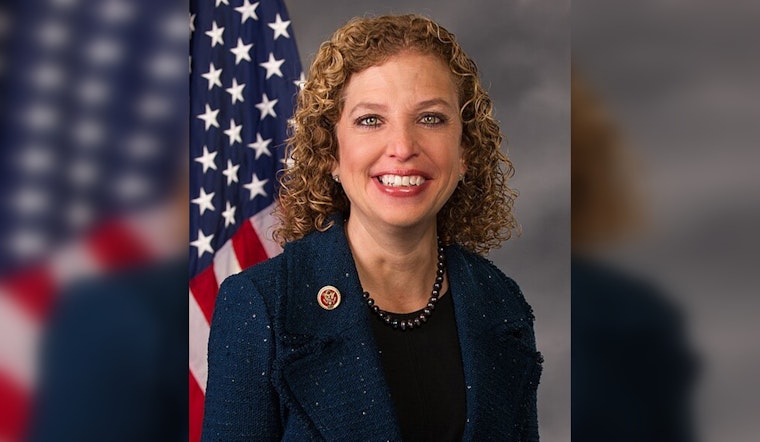
Fertility treatment that can run into the low-to-mid tens of thousands of dollars per attempt is the target of a new bipartisan push in Washington. On March 26, U.S. Reps. Debbie Wasserman Schultz (D-Fla.) and Zach Nunn (R-Iowa) joined a cross-party group to unveil the HOPE with Fertility Services Act, a proposal that would require group health plans that cover obstetrical care to also cover infertility diagnosis, treatment and fertility preservation. Supporters say the bill is aimed squarely at the steep out-of-pocket costs that keep many people from accessing in-vitro fertilization and other assisted-reproduction services.
As reported by CBS12, the measure would apply to employer-sponsored group plans that already pay for pregnancy care, extending those benefits to include infertility treatments and fertility preservation when medically necessary. The outlet notes the effort was rolled out in Washington, D.C., on March 26 and attributes the announcement to the office of Rep. Debbie Wasserman Schultz.
In a press release from Rep. Zach Nunn, sponsors said the bill would amend federal law so that three categories of infertility are eligible for coverage. Those include disease-based infertility, infertility that is unexplained after 12 months of trying and iatrogenic infertility caused by medical treatment. The release describes the proposal as an ERISA fix intended to make private plans treat infertility "like any other medical condition," and it highlights backing from patient organizations and medical societies.
What the bill would require
Under the measure, any group health plan or issuer that provides obstetrical services would also have to offer comprehensive coverage for infertility and iatrogenic infertility treatments. The bill explicitly lists procedures such as in-vitro fertilization, egg and embryo cryopreservation, intracytoplasmic sperm injection (ICSI) and intrauterine insemination. The changes would be written into the Employee Retirement Income Security Act, and plans would be required to spell out how they use utilization-management tools for infertility benefits. The text posted at Bergman.house.gov details definitions and boundaries on how medical-necessity rules and cost-sharing can be applied.
Why cost matters
Sticker shock is central to the case for federal intervention. Medical societies and industry surveys estimate that a single IVF cycle, once you add in monitoring, procedures, medications and optional genetic testing, often lands in the low-to-mid tens of thousands of dollars, and many patients need multiple cycles. The American Society for Reproductive Medicine has flagged both the high upfront costs and recent federal efforts to lower prescription drug prices that could trim several thousand dollars from per-cycle medication bills. For families paying entirely out of pocket, those numbers can quickly cross from stressful into impossible.
A patchwork of state rules
Right now, coverage is a patchwork. Some states require insurers to pay for infertility treatment, while many do not, which leaves most Americans without guaranteed access. A recent review from LegalClarity notes that roughly 15 states currently require private insurers to cover IVF specifically, and many state mandates do not touch self-insured employer plans that fall under ERISA. That gap is a key reason supporters argue a federal ERISA amendment is needed to make coverage real for more workers.
Who supports it
Patient-advocacy groups and professional societies have lined up behind the HOPE Act. A coalition organized by Americans for IVF, along with endorsements cited from RESOLVE and the American Society for Reproductive Medicine, argues the bill would lower financial barriers and broaden access to family-building care. Backers say a federal standard could smooth out differences across state lines and chip away at inequities in who can realistically afford treatment.
Politics and the road ahead
Even with bipartisan sponsors in the House, the bill faces a steep climb. Similar efforts have already hit turbulence in the Senate, where a 2024 motion to advance a separate Right to IVF bill failed to clear a procedural vote, according to AP. Supporters of the HOPE Act acknowledge that it must first move through committee, then pick up broader backing in both chambers. Skeptics are expected to raise questions about costs and employer mandates as the debate unfolds.
Fans of the proposal say it would spare families from crushing medical bills and make access to fertility care less dependent on income or ZIP code. Critics are likely to focus on how the new rules would actually work in practice, and how they would interact with state laws. For now, the bill’s fate rests on committee action in Congress and whether lawmakers can get past the same political obstacles that have stalled earlier attempts to set national IVF protections.




