

























































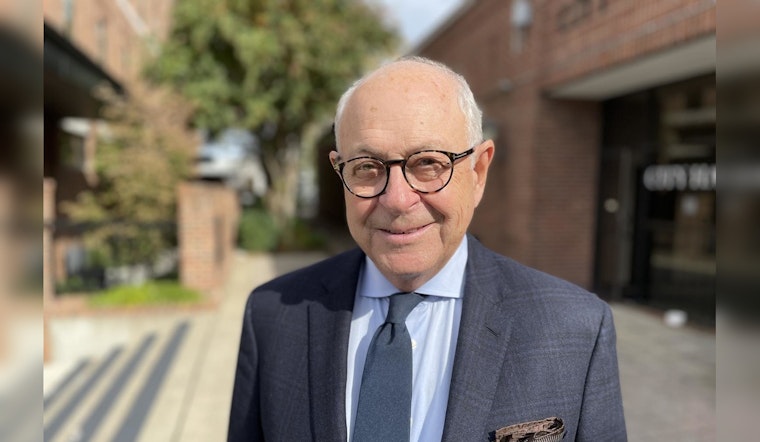
Franklin Mayor Ken Moore is pumping the brakes on Williamson County’s push to build a new courthouse complex on the former H.G. Hill site along Columbia Avenue, arguing the project is too big for the corridor and could siphon tax revenue and services away from downtown. He says he supports adding courtroom capacity but contends the five-plus-acre parcel is better suited for mixed-use development than for a large government campus, a disagreement that has paused the county’s next steps and pushed staff to gather more analysis and public outreach before any final decision.
“I think it’s better suited for a mixed-use development, rather than a very large government building and a parking garage,” Mayor Ken Moore told WKRN. He also said he supports expanding court capacity in principle but questioned whether that expansion should land on Columbia Avenue. Moore raised concerns that the project’s scale could hollow out downtown commerce and pressed county leaders on what would happen to the current downtown court buildings if the county relocates.
The parcel in play is the former H.G. Hill property at 926 Columbia Avenue, a roughly 5.6 to 5.7 acre lot that the owner has been marketing for mixed-use redevelopment, according to the developer. H.G. Hill Realty lists the site as part of a Columbia Avenue plan. Williamson County materials reviewed by commissioners put land costs at about $18 million and estimated total construction, including new courtrooms and parking, at roughly $75 million. Williamson County Agenda Center contains the packet the county circulated to commissioners.
Commission debate and public testimony
Supporters, including judges and court staff, told commissioners the county’s existing judicial center is functionally inadequate and creates security and capacity challenges. Opponents, including downtown residents, local developers and city leaders, countered that the Hill parcel is one of Franklin’s most valuable commercial properties and urged that it be reserved for mixed-use and retail that bolster the tax base. As reported by Citizen Portal, a procedural publication vote that would have cleared the way for bond financing tied to the land purchase failed on a tie, and the commission later deferred final bond authorization to allow more study and stakeholder outreach.
What happens next
County staff told commissioners the purchase contract includes a roughly 120-day due-diligence window that could push the project toward a relatively quick decision unless the county negotiates an extension. Staff said additional reports and cost information will be produced for the commission. Williamson County Agenda Center shows the meeting materials and timelines county staff have circulated. Mayor Moore told WKRN he expects the discussion may not return to the commission until May as officials work through alternatives and additional community input.
Legal and budgetary steps ahead
County counsel stressed during the hearings summarized by Citizen Portal that publishing a bond notice is a procedural step and does not obligate the county to purchase the property. Any final move would require a separate bond authorization, public notices and a clear financing plan, steps that would give opponents more chances to press for a different outcome or for reuse plans for downtown court buildings. City Administrator Eric Stuckey told the commission he and city staff “stand ready to work with you,” according to meeting coverage.
The dispute lays bare a familiar tug-of-war in fast-growing suburbs: how to provide modern public infrastructure while preserving high-value downtown parcels that feed the tax base. For now the site remains under consideration, with both county and city officials saying they want more time for study and local input before any binding commitments are made.





