

























































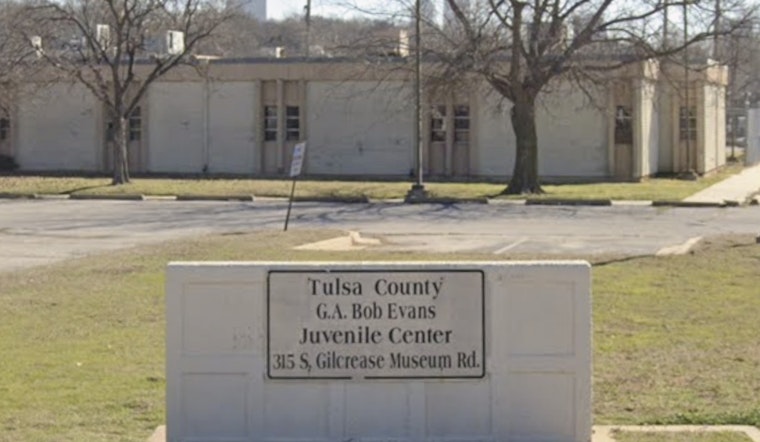
The vacant juvenile detention center on Gilcrease Museum Road is getting a second act. Tulsa is turning the former lockup into The Harbor, a 24-hour, low-barrier shelter that city leaders hope will sharply cut the time people spend living on the streets. The plan is straightforward but ambitious: pair emergency beds with on-site case management and navigation so people can move into housing faster, all without forcing them to abandon pets or personal belongings.
What The Harbor Will Offer
The Harbor will sit at 315 S. Gilcrease Museum Road and be transferred to Harbor LLC, a nonprofit formed to renovate and run the operation. A city resolution declares the property surplus, directs its conveyance, and spells out deed restrictions so the site stays dedicated to services for people experiencing homelessness. The measure also carries an emergency clause designed to move the project into construction more quickly, according to City of Tulsa.
Inside the Building
Out of roughly 43,000 square feet in the former detention center, about 23,000 square feet will be converted into shelter space. Plans call for 180 emergency beds available around the clock, with The Harbor operating 24/7. The site will accept large belongings and pets, include a commercial kitchen, and feature a fully equipped kennel that can house up to 38 dogs. City officials say the shelter could serve more than 2,300 people each year and that City Care will operate the facility once it opens, according to FOX23.
Funding and Ownership
The city bought the former juvenile center from Tulsa County in a deal reported at $500,000. Under the plan, Harbor LLC will take title to the property and is expected to raise most of the renovation funding from private philanthropy. The City of Tulsa resolution states that Harbor LLC anticipates spending at least $9 million on renovations, while foundation statements and local reporting put the overall construction and startup package significantly higher. Philanthropic partners named in coverage include the Anne & Henry Zarrow Foundation and the Ruth Nelson Family Foundation, according to Tulsa Flyer.
Where It Sits And Why It Matters
Project planners say the west Tulsa location, near the Arkansas River levee, was chosen with outreach in mind. Encampments along the levee and surrounding areas are expected to be easier to connect with services and housing navigation from this site. The Harbor is a key piece of the city’s broader Safe Move Tulsa strategy, which focuses on decommissioning camps and speeding exits into permanent housing. Construction is expected to continue through the year, with an opening targeted for December, according to Housing Solutions Tulsa.
Voices And What Comes Next
“Your shelter is a container for doing work. It is not an end result,” Rachel Freeman, CEO of City Care, told neighborhood residents at a public meeting. She described a model built around a fast intake process and navigation that shifts into active housing work about two weeks after arrival. Organizers say that approach, which aims for quick exits for people who can self-resolve and more intensive case work for those with complex needs, is designed to cut the time people remain unsheltered while concentrating staff and resources where they are most needed. Freeman’s remarks and the meeting summary are detailed in local reporting, according to GH2 Architects.
Next Steps
In the coming weeks, city staff and Harbor LLC will continue working through Board of Adjustment approvals, fundraising benchmarks and additional community briefings before renovation crews move on site. Officials say the city will remain in a supporting role while private partners complete construction and the operator builds out its team. The procedural roadmap and anticipated timeline for the project have been outlined by local partners, according to Tulsa Flyer.





