

























































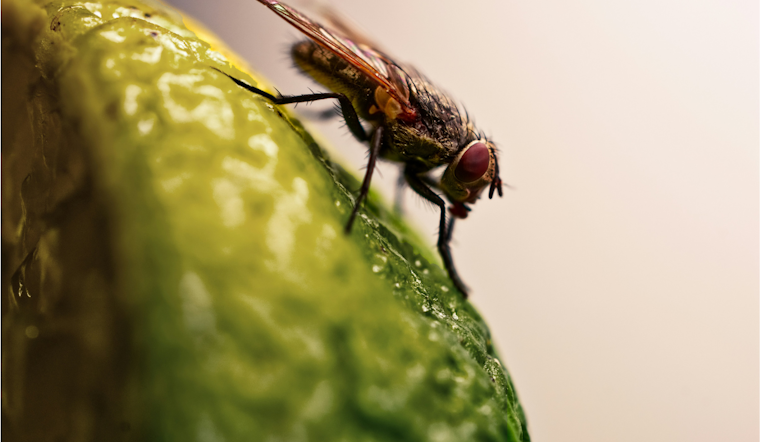
Parts of San Diego County are under an emergency quarantine after state agricultural crews trapped five adult Mexican fruit flies in La Mesa during routine inspections. The order covers neighborhoods in and around La Mesa and nearby unincorporated communities, clearing the way for intensive trapping, aerial releases, and ground treatments that could stretch into the fall as officials work to stamp out what they say is a local breeding population. Residents inside the zone are being told they may face limits on moving homegrown fruit while crews move in with traps and treatment teams.
What officials will do
The California Department of Food and Agriculture’s emergency notice spells out a full-court press on the pest. Crews are set to deploy sterile male Mexican fruit flies by aircraft across the treatment zones to break up breeding cycles, while intensive trapping and targeted ground-applied baiting will help define and knock back the infestation. The notice lists affected communities as Casa de Oro-Mount Helix, La Mesa, Lemon Grove, parts of the City of San Diego and Spring Valley.
The plan calls for an intensive delimitation effort: trapping over an 81-square-mile area around the fly detections, a target sterile-insect release rate of roughly 250,000 sterile males per square mile per week, foliar bait treatments within about 200 meters of detection sites and removal of host fruit from properties within roughly 100 meters when officials find evidence of breeding, according to the California Department of Food and Agriculture. Residents are supposed to get written notice at least 48 hours before any ground spraying on their property, and general release notices will go up online.
Where the quarantine reaches
San Diego County laid out the rough boundaries in an announcement on its official X account, naming several cities and neighborhoods inside the emergency area and citing major landmarks as guideposts: Interstate 15 to the west, the San Diego River to the north and Sweetwater Reservoir to the south. Residents are urged to pull up the posted map and confirm whether their address falls inside the regulated zone.
The California Department of Food and Agriculture (CDFA) has declared a new quarantine area affecting Spring Valley, Bonita and five cities in San Diego County after Mexican fruit flies were found during a routine inspection in La Mesa.https://t.co/xXsScMdKHT pic.twitter.com/GxA0spzrpw
— SanDiegoCounty (@SanDiegoCounty) March 10, 2026
County officials say the U.S. Department of Agriculture and the San Diego County Agricultural Commissioner are teaming up with CDFA on delimitation, trapping and treatment work. County staff will also handle notifications and briefings for growers and businesses caught inside the quarantine line.
Why it matters
Mexican fruit fly is not a picky eater. The pest can infest more than 50 kinds of fruit and vegetables, from avocados and citrus to stone fruit and pomegranates, turning otherwise marketable produce into a loss and potentially triggering trade restrictions, according to CDFA guidance. State emergency documents warn that host commodities could face broad economic exposure if the outbreak spreads, which is why officials are leaning on rapid suppression to avoid costly restrictions and added expenses for growers.
Federal plant health experts say the early-detection model that San Diego is now following, paired with sterile-male releases and targeted baiting, has been the most effective approach to wiping out localized Mexican fruit fly outbreaks in California and other regions, according to the U.S. Department of Agriculture.
What residents should do
For now, officials are asking residents inside or near the quarantine line to keep a tight grip on their backyard harvest. Do not move homegrown fruit or host plants out of the area, and if you spot suspect fruit, double-bag it and throw it in the trash instead of the compost bin. Anyone with questions or possible infested fruit to report can call the state pest hotline at 1-800-491-1899 or contact San Diego County Agriculture, Weights and Measures at [email protected] or 1-800-300-TRAP. Local trapping and program details are posted on the County’s Pest Detection page.
Residents should also keep an eye out for written 48-hour notices before crews carry out any ground baiting or fruit removal on their property as the eradication effort ramps up.



