

























































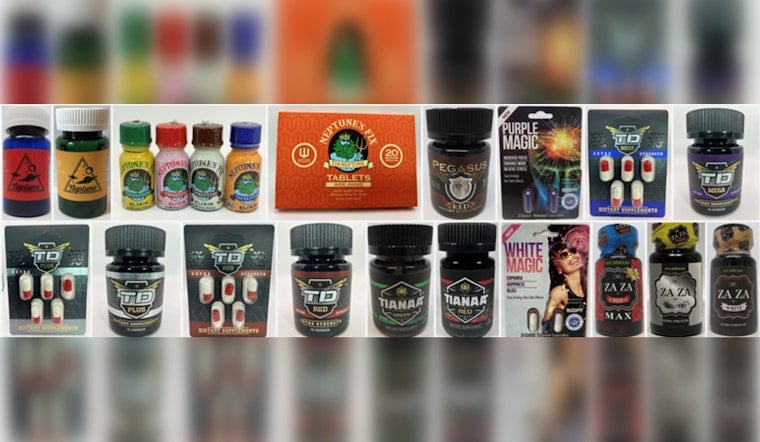
Federal regulators and health officials tied to the Make America Healthy Again agenda are moving to choke off sales of tianeptine, the unapproved substance often tucked into brightly colored "energy" bottles and nicknamed "gas station heroin." The shift follows a spike in poison-control calls and retail sweeps. Lawmakers and regulators say the products can trigger opioid-like effects, cause severe withdrawal and sometimes land users in the hospital. In Phoenix, both customers and corner-store owners are already feeling the squeeze as the fight moves from state-level crackdowns toward possible federal action.
Congress reups tianeptine ban bill
In February, Rep. Frank Pallone and Sen. Dick Durbin brought back the Prohibiting Tianeptine and Other Dangerous Products Act, a proposal that would hand the FDA new authority to block the marketing of products that contain tianeptine, according to Pallone’s office. Supporters point to a sharp rise in poison-control reports as the key reason they say Congress needs to act.
What exactly is tianeptine?
Tianeptine is used as an atypical antidepressant in some countries, but it is not approved for any medical use in the United States. At higher doses it acts on mu-opioid receptors and has been linked to euphoria, dependence and severe withdrawal, according to the FDA. Federal guidance and the DEA’s resource guide note that tianeptine is being sold as liquid elixirs, powders and pills under brand names such as Tianaa, Zaza and Neptune’s Fix, and that these products have been tied to hospitalizations and deaths.
MAHA’s role in the push
The crackdown on loosely regulated supplements has been folded into the administration’s Make America Healthy Again agenda, which directs HHS to highlight food, supplement and product risks that affect children and families, according to HHS. As reported by The Washington Post, MAHA-aligned priorities have already helped fuel state bills and increased federal scrutiny of products sold outside traditional medical channels.
States move first, and Congress may follow
Several states have already moved to ban or schedule tianeptine. Connecticut, for example, listed tianeptine as a Schedule I substance effective March 25, according to Patch. According to Sen. Durbin’s office, the Pallone-Durbin bill would give the FDA power to prohibit marketing of tianeptine products nationwide if Congress signs off.
Local warnings and enforcement heat up
Arizona poison-control specialists have been sounding the alarm about tianeptine for more than a year. The Banner Poison and Drug Information Center has issued advisories urging residents to steer clear of products that may contain the compound, according to Banner Health. Recent coverage by FOX 10 Phoenix reported on March 30 that MAHA-linked federal moves are bringing fresh scrutiny to convenience-store shelves across the Valley.
What to know and where to get help
Health officials say anyone who becomes sick after taking an unfamiliar supplement should call the Poison Help line at 1-800-222-1222 and seek medical care. Clinicians are urged to report adverse events to FDA MedWatch so regulators can track and test suspect products. Retailers are being advised to review federal guidance and state law before stocking so-called nootropics or energy elixirs that may contain tianeptine.





