

























































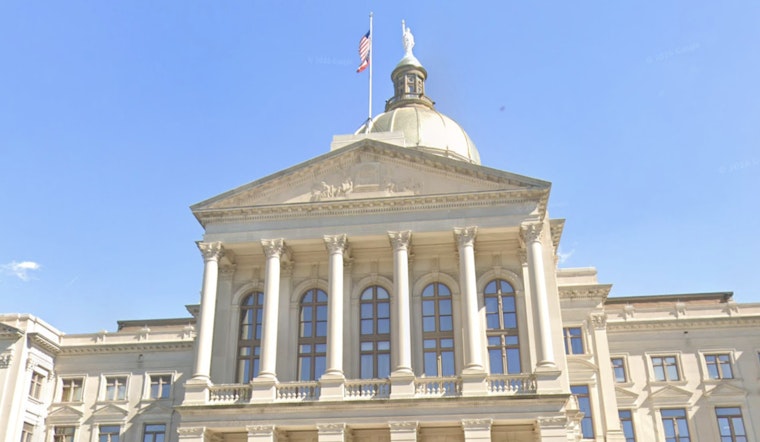
Georgia lawmakers have signed off on a tougher crackdown on protests that block streets and highways, approving a bill that raises both criminal penalties and potential civil liability for demonstrators and organizers. Senate Bill 443 cleared the House on Monday and now waits on Gov. Brian Kemp's desk. Backers say they are trying to keep ambulances and everyday traffic moving, while opponents warn the move could put a serious chill on constitutionally protected protest.
Senate Bill 443 passed the Georgia House by a 96–69 vote after earlier winning approval in the Senate in March, according to CBS Atlanta. The bill targets anyone who "purposely or recklessly obstructs a highway or street" and then refuses to move after being ordered to do so by law enforcement.
Sen. Carden Summers, a Republican from Cordele and the bill's sponsor, pitched it on the Senate floor as "a simple, common-sense bill" meant to prevent blockades that stop ambulances and other traffic, as reported by GPB. The Senate signed off on the measure in a 35–17 vote after debate that included pointed comparisons to historic civil rights marches.
Civil liberties groups have lined up against the bill. The ACLU of Georgia argues SB 443 "raises serious First Amendment concerns" and warns in its legislative summary that the measure could expose demonstrators and organizers to costly lawsuits, according to the ACLU of Georgia.
What the Bill Would Change
Under SB 443, intentionally or recklessly obstructing a roadway after an officer orders someone to move would become a high and aggravated misdemeanor, a shift that local reporting says could mean fines of up to $5,000 and as much as one year in jail. The measure also opens the door to civil claims seeking damages caused by a blockage, allowing drivers, businesses, or emergency providers to pursue restitution.
WSB-TV reviewed the bill's language, and the ICNL Protest Law Tracker places SB 443 within a broader national push to tighten protest rules, according to ICNL.
Why Critics Worry
Opponents say the wording is broad enough that it could be enforced unevenly. During floor debate, Sen. Derek Mallow, a Democrat from Savannah, pressed whether landmark events like the Selma Bloody Sunday march would be considered illegal under the new standard.
As GPB reported, Democrats cautioned that wide prosecutorial discretion, combined with expanded civil liability, could discourage spontaneous or nonviolent civil disobedience.
The bill now heads to Gov. Kemp. If he signs it, advocates say the law will likely face legal scrutiny and could reshape how protests are policed across Georgia. Supporters counter that the change simply gives communities clearer legal tools to stop blockades that put public safety at risk, and the next move belongs to the governor, according to CBS Atlanta.





