

























































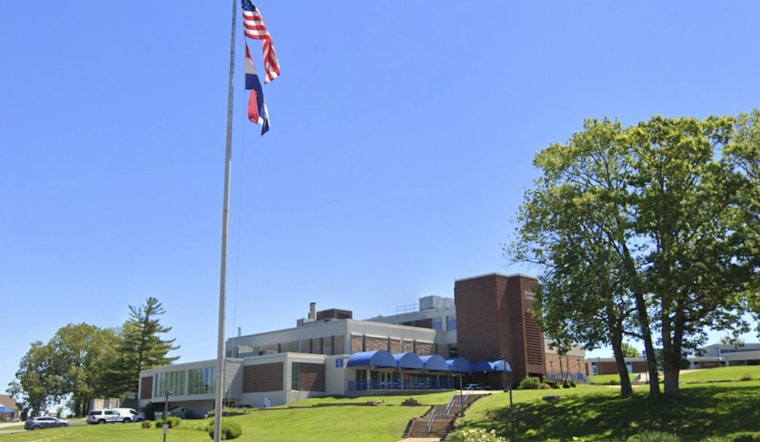
Jefferson College officials say an internal audit of admissions files uncovered a wave of bogus applications stretching back to October 2024, prompting staff to yank hundreds of fraudulent records from the system. Trustees were told the review flagged more than 1,500 applications, and roughly one-third of those were ultimately judged to be fake. College leaders said the apparent goal was not to earn degrees, but to tap into federal financial aid.
College's Response and Federal Reporting
Administrators credit the college’s FAFSA verification process with spotting the suspicious paperwork and pushing it up the chain. When information on federal aid forms is flagged, the school’s financial aid procedures call for extra verification and, when warranted, referrals to federal investigators. According to Jefferson College, those checks are meant to shield legitimate students and protect the integrity of the financial aid system, not just at the campus level but in coordination with the U.S. Department of Education’s Office of Inspector General.
What the Review Found
Vice President of Student Services Kim Harvey-Manus laid out the numbers for the board on Feb. 12, explaining that more than 1,500 applications had been flagged, with about one-third deemed fraudulent after closer inspection, according to KSDK. Admissions director Jacklyn Birks and admissions technician Shauna Gore then went file by file, manually reviewing the flagged records. That scrub led to the removal of hundreds of fraudulent applications submitted between October 2024 and January 2026 for terms running from spring 2025 through fall 2026.
Not an Isolated Problem
Jefferson College is hardly alone in dealing with so-called “ghost-student” schemes. Community colleges nationwide have reported spikes in fake applications, often tied to attempts to capture student aid using stolen identities or entirely synthetic personas. In California, officials told Inside Higher Ed that roughly 31 percent of recent community college applications were flagged as fraudulent. National coverage has described a growing FAFSA-fraud economy in which identity theft, fabricated records and automated tools all play a role, and Forbes has detailed how organized fraud rings are increasingly involved.
Legal and Financial Stakes
Improper payouts of federal student aid can trigger audits, repayment demands and Office of Inspector General investigations that bring significant financial and compliance risk, especially for smaller colleges, according to industry analysis. Protiviti reports that campuses are responding by pouring resources into both manual file reviews and new technology aimed at spotting suspicious patterns before aid is disbursed. In line with that approach, Jefferson College told trustees it would refer suspected fraudulent applicants who applied for federal aid to the Department of Education’s Office of Inspector General as part of its response, according to KSDK.
What Comes Next
College leaders say the cleanup effort is not a one-and-done operation and that staff will keep working to scrub applications and safeguard legitimate students from getting tangled up in fraud. Admissions and financial aid teams are expected to keep refining their verification and monitoring practices, with trustees slated to receive regular updates. The Jefferson College Board of Trustees posts its meeting agendas and reports publicly, and officials say future board meetings will include follow-up on how the crackdown on fraudulent applications is unfolding.





