

























































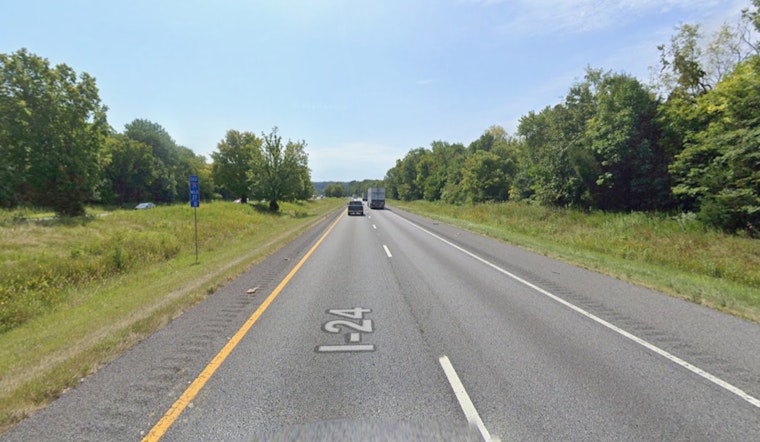
Neighbors in the Glencliff neighborhood are gearing up for a fight over the Tennessee Department of Transportation’s proposed I-24 “Choice Lanes” project, and they are doing it the old-fashioned way: in person, at a community center. Residents plan to gather at Coleman Park Community Center on Thursday, March 26, from 6 p.m. to 7:30 p.m. to organize a response to TDOT’s plan, which would add two tolled lanes in each direction along roughly 26 miles of I-24 between downtown Nashville and Murfreesboro. Recent project maps, neighbors say, show homes and newly opened businesses sitting in the footprint. Organizers say they want to use the meeting to coordinate comments and talk through possible alternatives.
According to WSMV, District 16 Metro Council member Ginny Welsch told neighbors they will “strategize and plan next steps,” and the community flyer notes that no TDOT representative is expected to attend. WSMV reports the community session is scheduled from 6 to 7:30 p.m. Thursday at Coleman Park Community Center.
TDOT’s approved environmental assessment lays out the build alternative, describing Choice Lanes as “priced-managed lanes” that would be designed, built, and operated through a public-private partnership. The document estimates that the Build Alternative would require about 18 business relocations and the displacement of 29 single-family homes plus two duplexes, or roughly 33 residential units in all. It notes that TDOT would provide relocation assistance consistent with federal law. The assessment also lists the kinds of businesses that could be affected, including warehouses, service businesses, and one supermarket, a detail that has rattled local business owners.
Plans released in late February, WSMV reported, showed the project footprint would take out the brand-new Pan-Asia Supermarket along with roughly 20 South Nashville businesses. Neighborhood organizers say that revelation is what pushed them to call Thursday’s meeting. The station also notes the community flyer underscores that organizers do not expect TDOT staff to attend.
Council member and neighbors push back
District 16 Councilmember Ginny Welsch represents Glencliff and nearby South Nashville neighborhoods, according to the Metro Council district page, and residents say they want to be organized before any final design decisions are made. Neighbors describe the March 26 gathering as a chance to pool information, coordinate official comments, and discuss what mitigation or alternative routes could look like if the project moves ahead.
Public process and timeline
TDOT has already made its environmental materials public and held NEPA hearings earlier in March. The agency’s outreach materials and the environmental assessment explain that public comments were being accepted during the review period tied to that document. TDOT frames the Choice Lanes concept as a way to improve travel-time reliability by giving drivers the option to pay for access to managed lanes. At the same time, the agency notes that current designs are conceptual and could change based on the NEPA process and public input.
Legal and compensation note
If the state proceeds to acquire right of way, TDOT says it would follow federal relocation and acquisition rules, including appraisal-based compensation and assistance for eligible residents and businesses, as outlined in the environmental assessment. Organizers counter that even with those protections, the handful of businesses and dozens of homes shown inside the project footprint deserve closer scrutiny, more robust alternatives, and stronger mitigation commitments.
Thursday’s gathering at Coleman Park will test how much pressure one neighborhood can bring to bear on a project state planners say is intended to ease a chronically congested commuter corridor. Organizers plan to collect contact information, coordinate comments, and decide on next steps once residents have had their say.



