

























































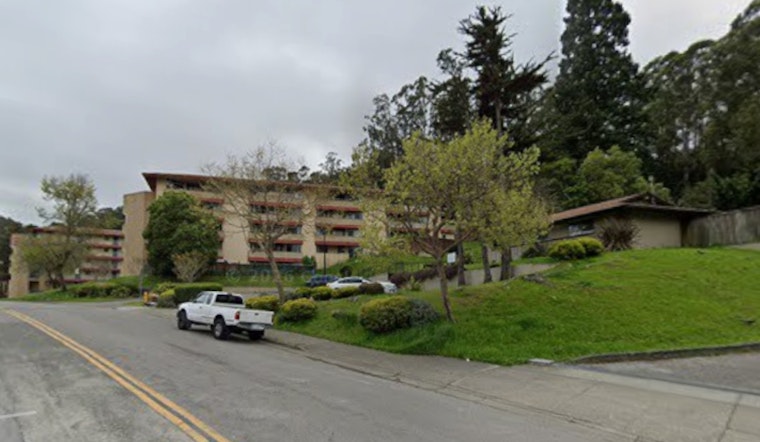
Golden Gate Village, the 296-unit public housing complex that has long anchored Marin City, is heading into a multiyear gut check. The first wave of work will renovate 88 low-rise apartments this spring, with Phase 1 officially scheduled to begin in May 2026. That opening round will mean temporary moves for roughly 225 residents as contractors move floor by floor and building by building. The overhaul is structured under HUD’s Rental Assistance Demonstration program, which mixes long-term Section 8 subsidies with private financing. Many tenants are looking forward to long overdue repairs, but questions about leases, vouchers and who ultimately calls the shots have not gone away.
How the project is paid for
The financing puzzle snapped into place in August 2025 when the state reserved about $3.985 million a year in federal low-income housing tax credits and roughly $41.7 million in tax-exempt bond authority for Phase 1, according to a California Tax Credit Allocation Committee staff report. Burbank Housing, the nonprofit development partner, says that tax-credit reservation, combined with the bond financing, investor equity and long-term Section 8 subsidies, will cover roughly $98 million in rehabilitation costs for those first 88 units.
Who owns and who will run it
Local planners have set up a split structure: the Marin Housing Authority will keep ownership of the land, while a new limited partnership, Golden Gate Village Phase 1 L.P., will own the renovated buildings and carry the mortgage, according to the Marin Housing Authority master development agreement. The project’s CEQA filings spell out the phased work across the low-rise and mid-rise buildings, along with the legal moves needed so rehabilitation loans can be secured against the improvements rather than the underlying land.
What RAD means here
Under RAD, traditional public-housing subsidies are converted into long-term, project-based Section 8 contracts so properties can tap private capital. HUD guidance also requires that a public or nonprofit entity keep a controlling interest in the owner partnership in order to preserve the property’s public purpose. Those rules are designed to lock in affordability restrictions and resident protections even after investors and private lenders enter the picture.
Tenants, vouchers and management
According to Marin Housing Authority documents, residents who return to renovated Phase 1 units will sign new leases with Burbank Housing Management Corporation and continue paying 30 percent of their income toward rent, with Section 8 subsidies covering the balance. Project records emphasize that residents in “good standing” - current on rent, up to date on annual recertification paperwork and without lease violations - will be first in line to come back. Staff say they are meeting one-on-one with households now to get people ready for temporary moves and the new lease structure.
Relocation and community worries
Residents started receiving formal 90-day notices at community meetings, and local briefings say about 225 people will be temporarily relocated during Phase 1, with the development team picking up rent and utilities for those interim units, as reported by SFGATE. Even with those assurances, local reporting and longtime tenants say the shift to a RAD and low-income housing tax credit model, complete with outside investors and new leases, has fueled fears of rising rents, tougher evictions and a slow erosion of Marin City’s historically Black community.
Timeline and next steps
Project statements say Phase 1 construction is set to begin in May 2026, with work broken into smaller subphases so families can move back into finished homes as each cluster of units is completed. Phase 2 is scheduled for 2027, and county and project materials peg the full site-wide rehabilitation at about $266.6 million, with work on later phases stretching toward 2029, as reported by Local News Matters.
Legal protections and what to watch
HUD’s RAD rules come with a package of tenant protections, including consultation requirements, a formal right to return and long-term use restrictions that are supposed to keep the homes affordable. The agency also insists that a public or nonprofit organization hold a controlling stake in the ownership entity so speculative conversions stay off the table. Advocates say the real test will be in the fine print: how “good standing” is interpreted, what the new leases actually say and how vouchers are handled in practice. Those day-to-day decisions will determine whether longtime families are truly able to come home.
Follow the process
Key documents, from environmental reviews to financing records, are being posted in public files such as the county’s CEQA filing and the California Tax Credit Allocation Committee staff binder for the project. For meeting dates, relocation resources and the latest community updates, residents are being directed to track county postings, check the project’s public pages and sign up for official notices through those channels.


